








I love villains. I love writing them. I love reading them. I love seeing them brought to life on big screen and small.
Well, let me modify that. I love villains in fiction and movies and television shows. I can’t stand real-life villains. (In the interest of keeping things civil, I won’t name any of the real-life villains I have in mind, even the one whose name rhymes with Peon Husk.) But a good fictional villain can make even the most mundane of stories shine. And a boring or ineffective villain can ruin an otherwise effective narrative. Over the years, as a reader, teacher, and editor, I have seen many beginning writers undermine their stories by making the same mistakes in the development of their antagonists.
 What qualities make a villain compelling? I intend to dive into that. Who are some of my favorite villains? I’ll get into that, too. But let me offer a few quick points up front. I don’t think much of the all-powerful-evil-through-and-through villains one often encounters in the fantasy genre. Sauron, for instance — the evil god whose world-conquering designs lie at the heart of J.R.R. Tolkien’s The Lord of the Rings — is, to my mind, a very boring villain. He’s really powerful, and he’s really, really evil. And yes, he’s cunning, which is a point in his favor, and he’s scary (or his minions are). But beyond that, and unless one has gone back and read all his backstory in The Silmarillion, there isn’t really much to him. He lacks dimension and complexity.
So, let’s begin there. In my opinion (and yes, ALL of this is just my opinion), villains should be complex. There should be more to them than mere evil. Their backstory should contain the seeds of their villainy and the twisting of their world-view. Because let’s face it, most of the villains we encounter and create do some pretty messed up things in pursuit of their agendas. They’re not all there sanity-wise. But how they wound up there ought to be an interesting tale in and of itself. And the fact that their actions are working at cross purposes with those of our protagonists should not mean they can’t have some normality and even joy in their lives. They can and should have people and things that they love. They should be relatable for our readers. One of my very favorite villains is Brandan of Ygrath, the emperor-sorcerer who is the villain of Guy Gavriel Kay’s Tigana. He is charming, brilliant, loving with those he cares about, handsome, refined. He is also ruthless, merciless, temperamental, and unpredictable. He does horrible, cruel, vicious things for reasons that are both understandable and insufficient. He is nearly as easy to like as he is easy to hate.
Too often, I see young authors make their villains unintelligent and unsubtle. They give their villains lots of power, but then undermine that power by making their machinations transparent. Villains, I believe, need to be canny, keen of mind, creative. Their schemes should be the stuff of genius. Remember the old Adam West Batman series? I used to watch it after school when I was little. Invariably, Batman’s foes would leave him in a situation where he wasn’t dead yet, but he would be soon. They were sure of it. So they didn’t need to wait around to make sure. They could leave, and eventually, the pendulum on the giant clock with the medieval axehead attached to it would cleave the masked crusader in two! And, of course, their premature departure gave Batman and the Boy Wonder the opportunity they needed to escape their less-than-certain deaths. Stupid villains were entertaining and convenient when we were kids watching bad TV. But for more sophisticated fiction, stupid villains will ruin a good tale.
Think of it this way: Assuming that our protagonist eventually manages to overcome the villain in our story, the power AND intelligence AND shrewdness of the bad guy reflect well on our good guy. The easier the villain is to defeat, the less challenging their plot against the world, the less impressive our hero appears when they prevail. When we build up our villain, when we make them really smart and really cunning, our hero’s victory becomes that much more of an achievement. Consider it narrative mathematics.
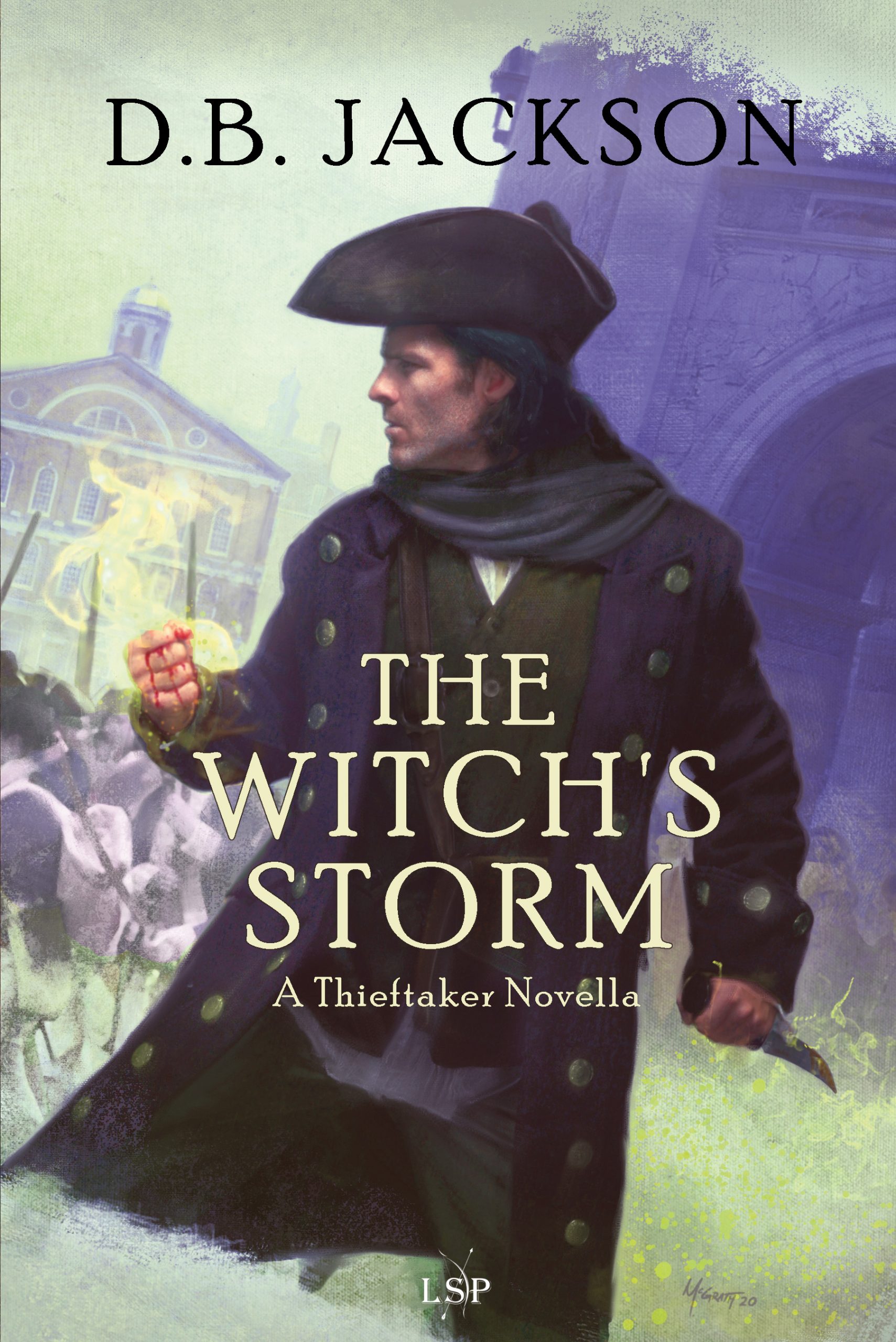
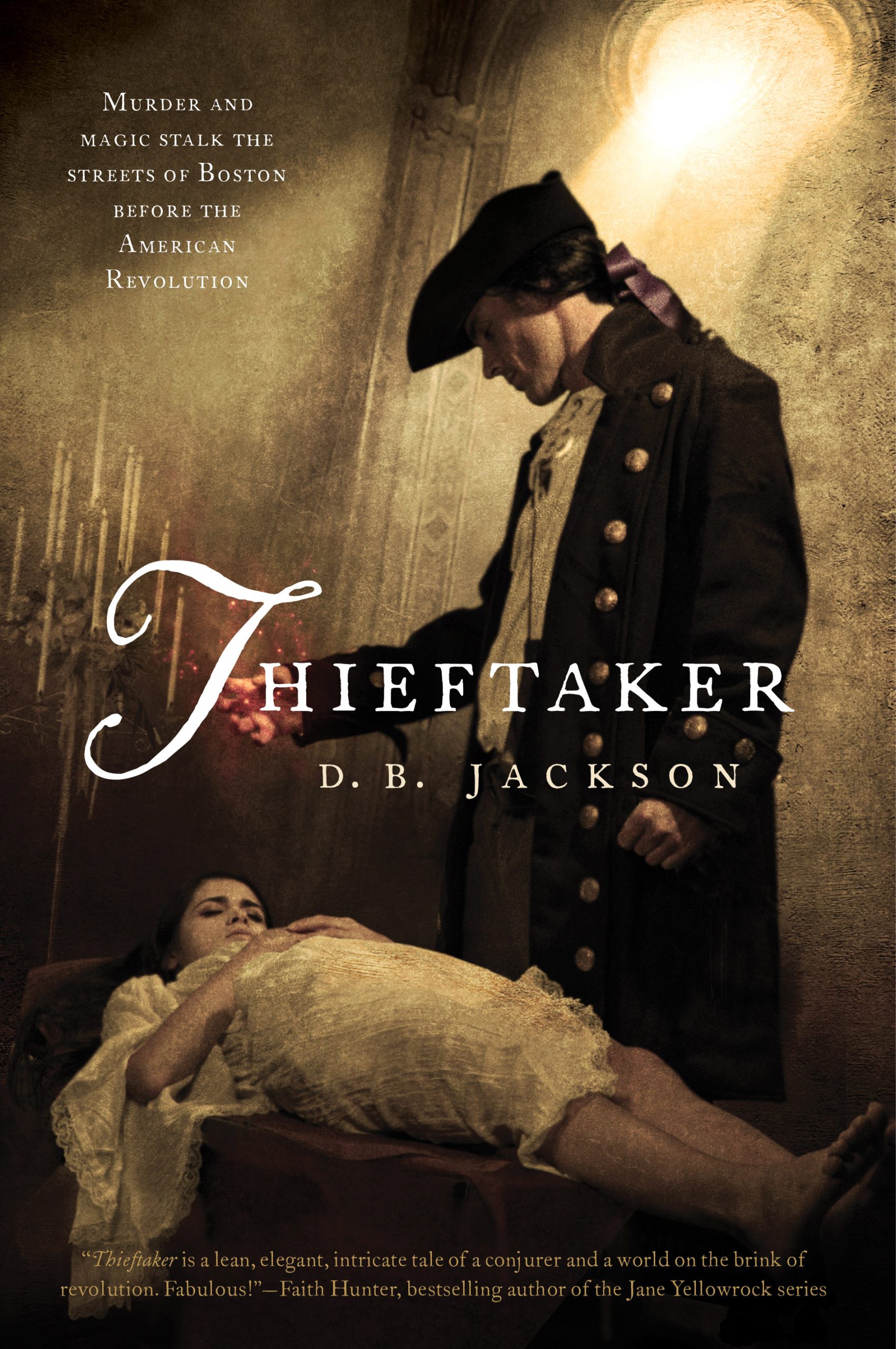
 Some of my favorite villains from my own work? Quinnel Orzili from the Islevale Cycle (Time’s Children, Time’s Demon, Time’s Assassin), Saorla from the second and third books in The Case Files of Justis Fearsson, and, my absolute favorite, Sephira Pryce from the Thieftaker books. Yes, she later become something other than a pure villain, but that was basically because she became SO much fun to write that I had to find a way to keep her around and relevant.
 My favorite villains in the work of others? I already mentioned Brandan of Ygrath. John Rainbird, from Stephen King’s masterpiece, Firestarter, is a terrific villain. Smart, brutal, and yet also human. In Catie Murphy’s marvelous Negotiator trilogy there are two supernatural “bad guys,” Daisani and Janx, whose personal rivalry threatens the fabric of the mortal world. Their mutual animus and their own needs and desires humanize them and make them terrific foils for Magrit Knight, the series’ protagonist. And I would add that a certain writer I care not to mention in light of recent revelations has created some truly amazing villains. Too bad he wound up being a villain worthy of his own undeniable storytelling talents.
So, make your villains relatable, make them canny and dangerous and terrifying, and make their eventual defeat a true achievement for your protagonist. And try not to be villainous yourself.
Advice for this week. Cheers!!
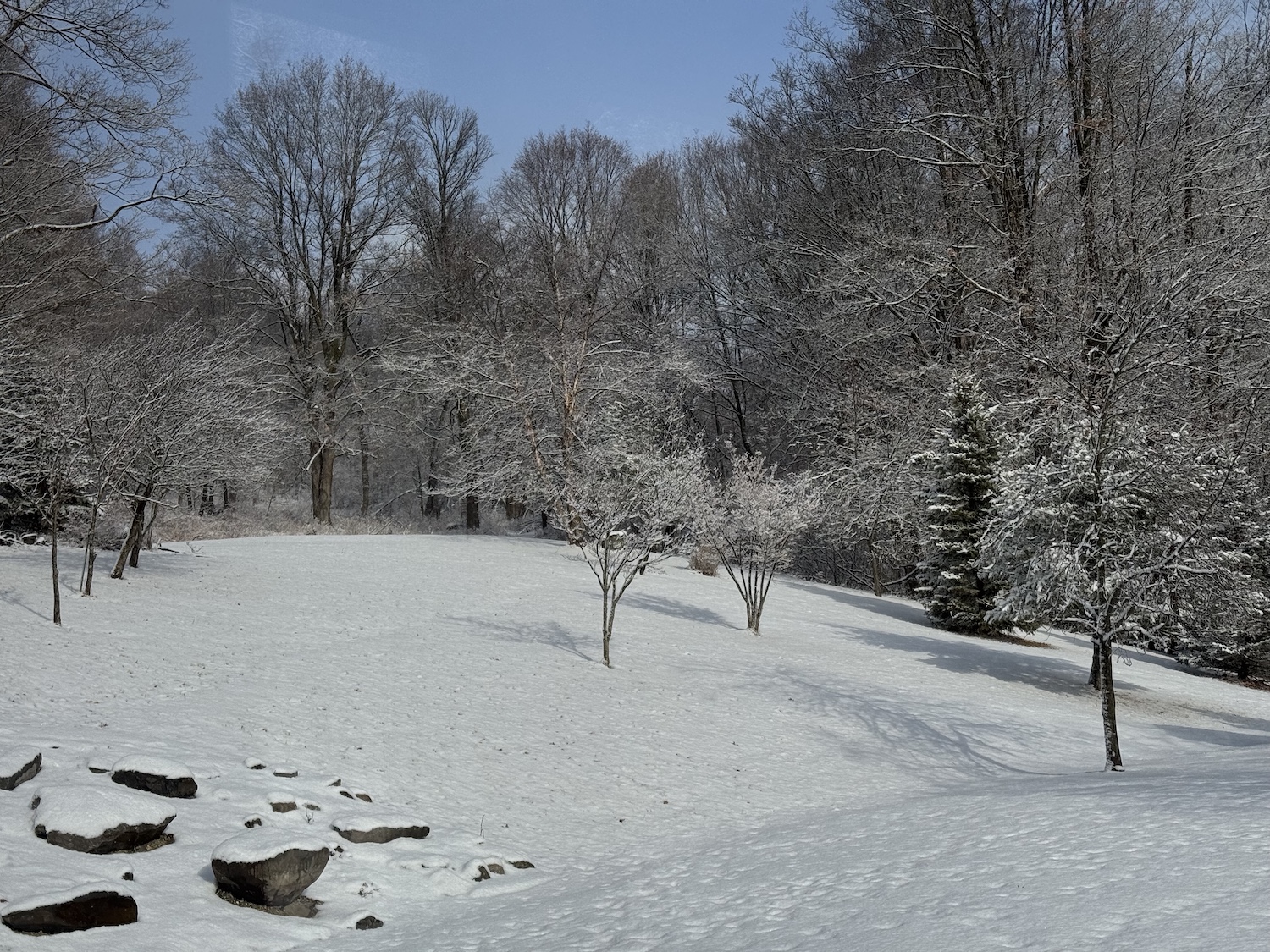
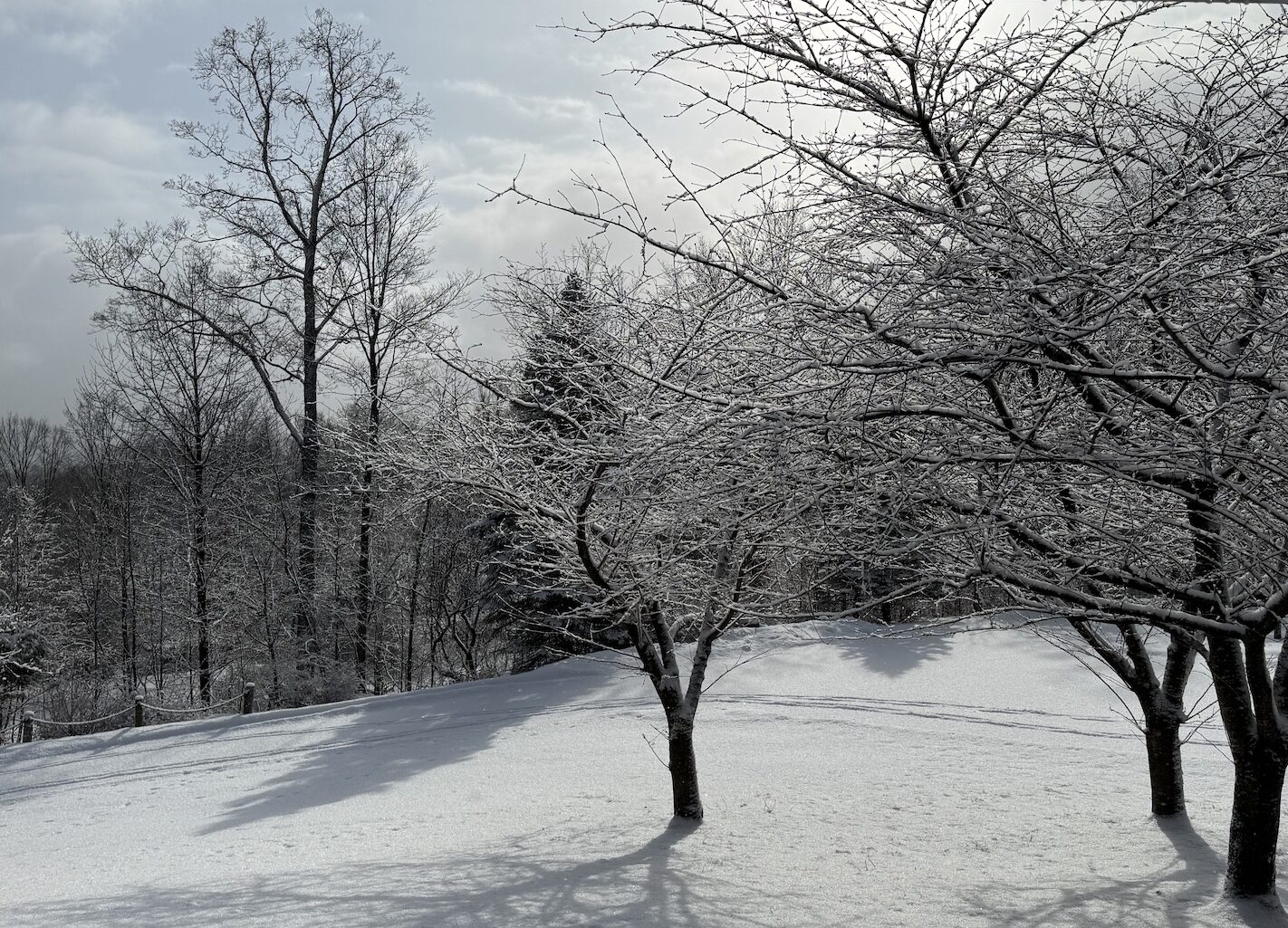 We woke this morning to a snow squall, something that happened with ever-decreasing frequency during our years in Tennessee, as climate change made the warm South even warmer. Here in New York, during the winter months, snow is still the default when there’s precipitation, and I love that. I have missed snow and don’t mind paying the plow guy or dealing with snow on the walkways and driveway. The beauty of an early morning snowfall more than makes up for the inconveniences.
 And in part, this is the fault of professionals like me, who talk about our work habits and, perhaps, create unrealistic expectations that writers with less experience then apply to themselves. I write full time. I demand of myself that I write 2,000 words per day. I am asked often how long it takes me to write a book, and the honest answer is that it takes me about three months, which is pretty quick, I know. Writers who are at the outsets of their careers should not necessarily expect to do the same.
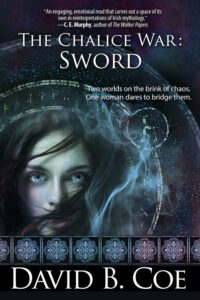 We’ll begin with the assumption that the book we’re writing will come in at around 100,000 words, which is the approximate length of most of the Thieftaker books, the Chalice War books, and the Fearsson books. Epic fantasies tend to be somewhat longer; YAs tend to be shorter. But 100K is a good middle ground.
 Feeling more ambitious? Say we can write for ninety minutes each weekday, and can manage to average 500 words a day, while taking our weekends off to recharge. Well, now we’re writing 2,500 words per week, and that novel will be done in less than nine months. Willing to write on weekends, too? Now we’re down to seven months.
 What about the rest of my life? What’s next in other realms?
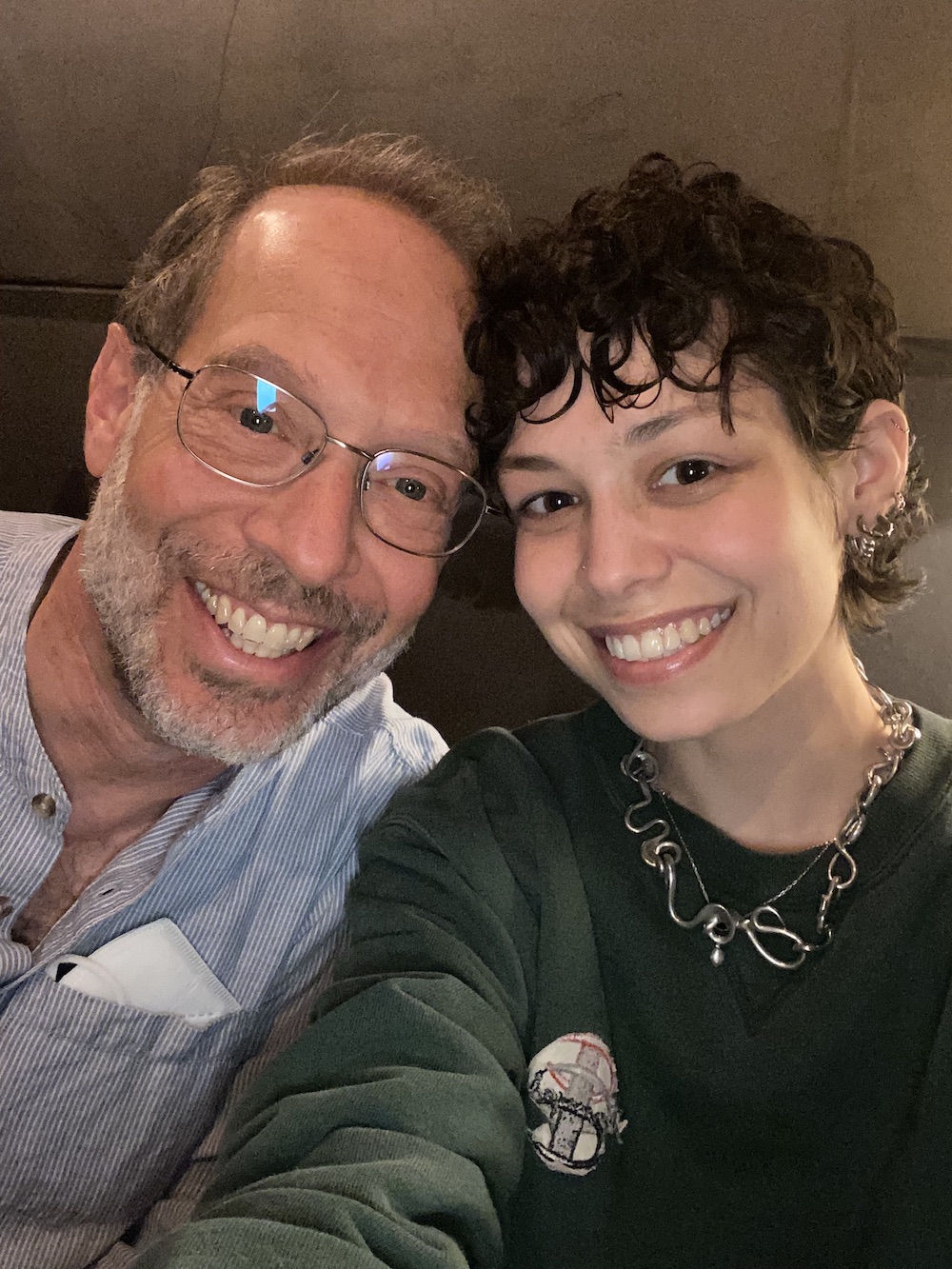 It has now been nearly five months since we lost Alex. I still get the same question — and to be clear, I don’t mind being asked. Not at all. It’s just that I still don’t know how to answer. My friends tell me that five months is nothing, that there is no reason I should have a handle on my emotions already. My therapist says the same. I suppose I should listen to all of them. But I grow impatient with myself. I make my living with words and with emotions. The core of my art is conveying the emotional state of my point of view characters. It’s practically the definition of what a fiction writer does.
 Today is the 22nd of January. It’s been exactly three months since our older daughter passed away.
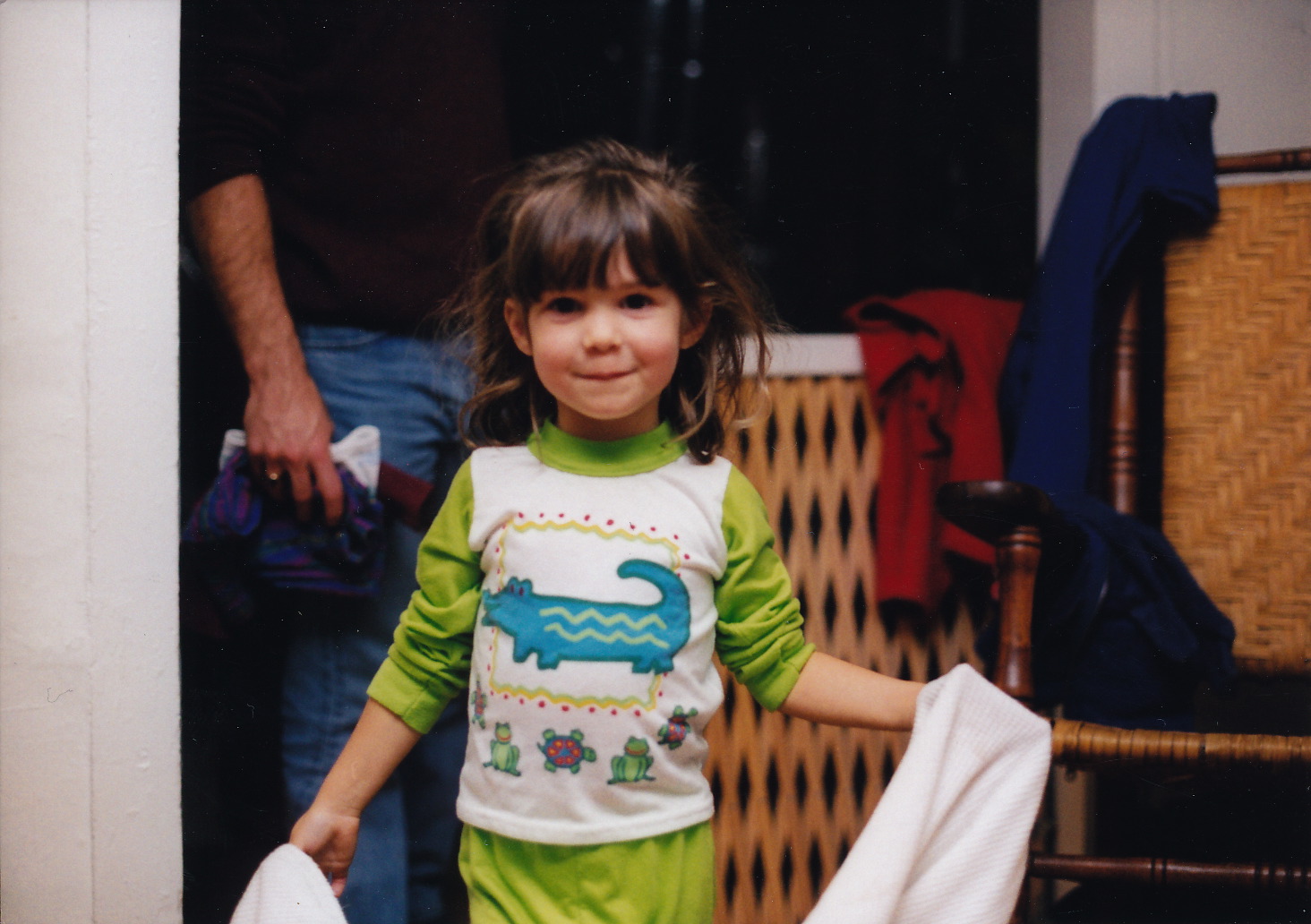 At this point, the celebrations of her life are over. Guests from out of town have left. Erin has gone back home. Nancy is starting to work again, and I am gearing up to do the same. We are, I suppose, stepping back into “normal” life. Except there is nothing normal about it, and in ways that truly matter, in ways that will remain with us for the rest of our lives, it will never really be normal at all, ever again.
 The numbness, though — that bothers me. I want to feel. I want to weep for my child or laugh at a golden memory. I want to feel pain and love and loss and connection, because those keep my vision of Alex fresh and present. Numbness threatens oblivion. Numbness makes the loss seem complete, irretrievable — and that I don’t want. Not ever. Better to cry every day for the rest of my life than lose my hold on these emotions.