








 Today is the 22nd of January. It’s been exactly three months since our older daughter passed away.
I didn’t used to care about the 22nd of any month (my apologies to those with a birthday on one 22nd or another — nothing personal). Now, I can’t help but notice every one.
I have a head for dates. Maybe it’s a byproduct of having been trained as a historian; I don’t know. Many, many years ago, on a June 5th in the 1980s, I think, my father told me that day was the anniversary of his first date with my mom. I have remembered this ever since, and on that day, I find myself thinking of them, of how cute they were together, of the different silly ways they expressed their love.
Some in our family have made things a little easier in the date-remembering regard. My grandmother on my father’s side, who adored my mother 99% of the time, died on my mom’s birthday. Coincidence? Perhaps. A final act of passive aggression from a mother-in-law? Also possible. And so maybe it wasn’t all that surprising that my mother died on the birthday of my brother’s wife, whom she adored. Yeah, that coincidence thing is looking a little less likely now, isn’t it . . . ?
I know — I’m bouncing all over in this post. I started off with a very somber remembrance of my lost, beloved daughter, and now I’m cracking wise about mothers-in-law. Grief and humor. To my mind, we can’t survive the former without the latter. And, the fact is, speaking as a creator, while death is often tragic, it can also be a wonderful source for cathartic humor. Have you ever seen the Chuckles-the-Clown funeral episode of The Mary Tyler Moore Show? If not, do yourself a favor and watch it. Brilliant stuff.
As I said before, I have a mind for dates. But we also live in a society that remembers. December 7, 1941. November 22, 1963. September 11, 2001. Specific dates insinuate themselves into our lives, taking on significance in a variety of ways. Birthdays of family and friends, wedding anniversaries, days of loss, days of joy. I made the mistake once, when setting up my LinkedIn account, of choosing a date on which I began my writing career. I don’t know if it’s the right one. The site asked, I remembered the month and year, and so I threw in a day. Now, I get flooded with work anniversary notifications from LinkedIn on a date that has absolutely no significance for me.
At times, if, say, I’m on a highway and I see an accident by the side of the road, I can’t help but think that, for the people involved, this will forever after be “the day of the accident.” A weird way of thinking, I suppose. It’s my writer brain. There is a story there, a spiral leading to the crash, and then continuing beyond it into the aftermath. The accident might have been the result of random chance occurrences, but we are creatures of narrative, and it’s quite possible that in the minds of the accident victims, those random occurrences will, in hindsight, rightly or wrongly, be seen as a storyline of interconnected events.
Sometimes events become confused by perspective. I remember the day (and time) on which Alex informed us of her cancer diagnosis. But she actually needed a couple of days after that fateful conversation with her oncologist before she could tell Nancy and me. So the actual date of the diagnosis itself is not the day I remember. It doesn’t matter in any way. And yet, the dates themselves, and the very existence of that small gap, carries significance. It is a symptom of her fierce independence and her desire, even under those extraordinary circumstances, to protect us, to deliver this painful news with her composure intact, so that she could put on a brave face and thus cushion the blow a little.
Dates tell a story.
I have no greater point. Not really. I call these posts musings for a reason. It’s the 22nd, and this is what I’m pondering today.
I will close on a more positive note, however, and in doing so will echo my father. Of course I remember my wedding anniversary, and the anniversary of Nancy and my engagement. But I also recall, and always remark upon, the anniversary of our first date. Sort of. We had two first dates, as it happened. The first didn’t take. The second one, the one that counts, was February 24, 1989. Yes, there’s a story there as well. Another time, perhaps.
Have a great week.
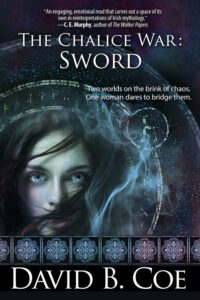 In the last year, I have written two pieces of original short fiction. That’s it. I haven’t written a novel since I finished The Chalice War: Sword, late in 2022. I have recently started work on a tie-in project (I can’t really say more than that, right now), a novel. It is coming slowly, and because I am essentially playing in someone else’s world, the emotions I’ll be mining are somewhat removed from my own. I spent the first half of last year doing a bunch of editing, for myself and for others, figuring that when those projects were through, I would dive into a new book of my own.
 At this point, the celebrations of her life are over. Guests from out of town have left. Erin has gone back home. Nancy is starting to work again, and I am gearing up to do the same. We are, I suppose, stepping back into “normal” life. Except there is nothing normal about it, and in ways that truly matter, in ways that will remain with us for the rest of our lives, it will never really be normal at all, ever again.
 The numbness, though — that bothers me. I want to feel. I want to weep for my child or laugh at a golden memory. I want to feel pain and love and loss and connection, because those keep my vision of Alex fresh and present. Numbness threatens oblivion. Numbness makes the loss seem complete, irretrievable — and that I don’t want. Not ever. Better to cry every day for the rest of my life than lose my hold on these emotions.
 This is the post I never wanted to write. The one I dreaded, the one that was, not so long ago, unthinkable, and, more recently, heartrendingly inevitable.
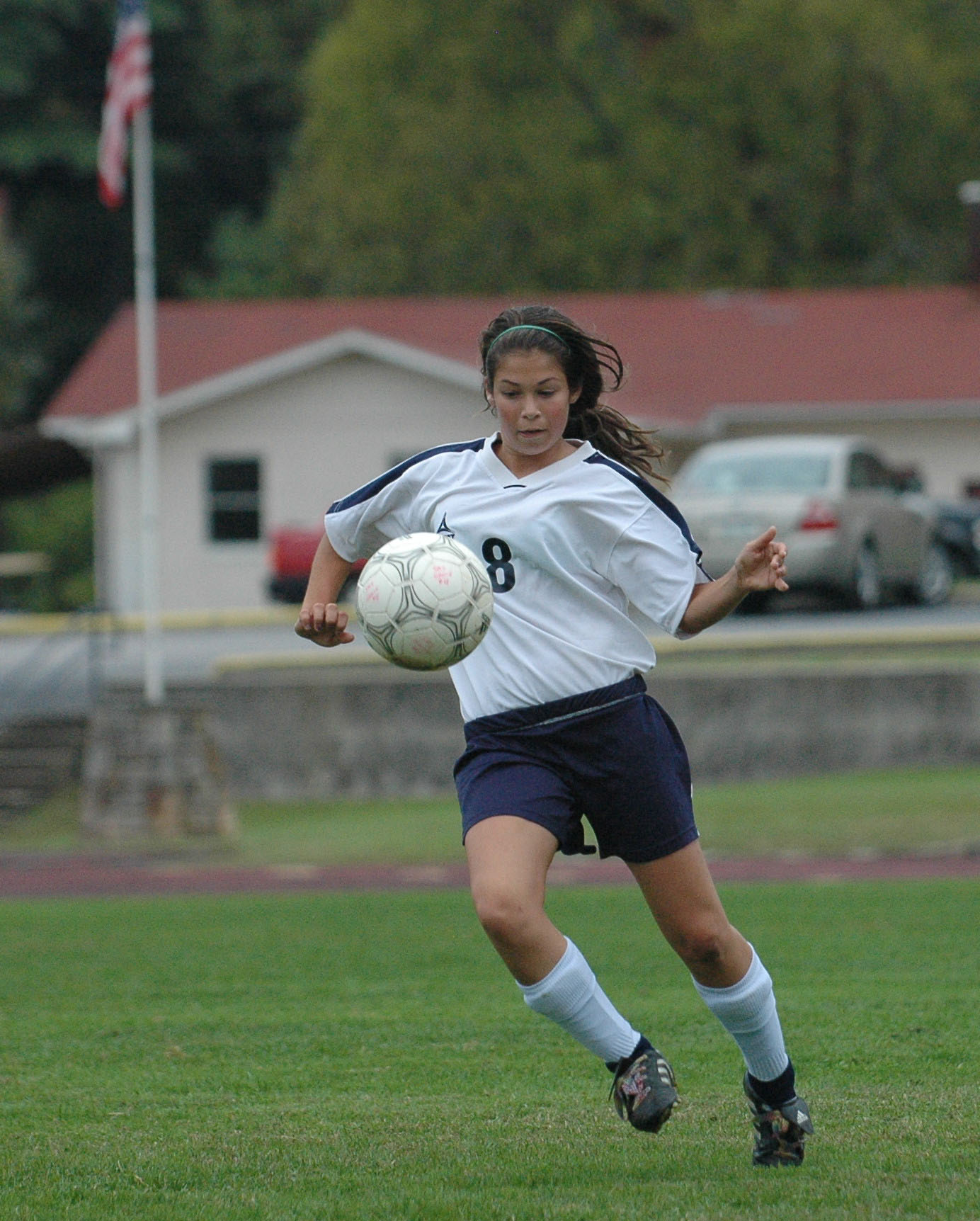
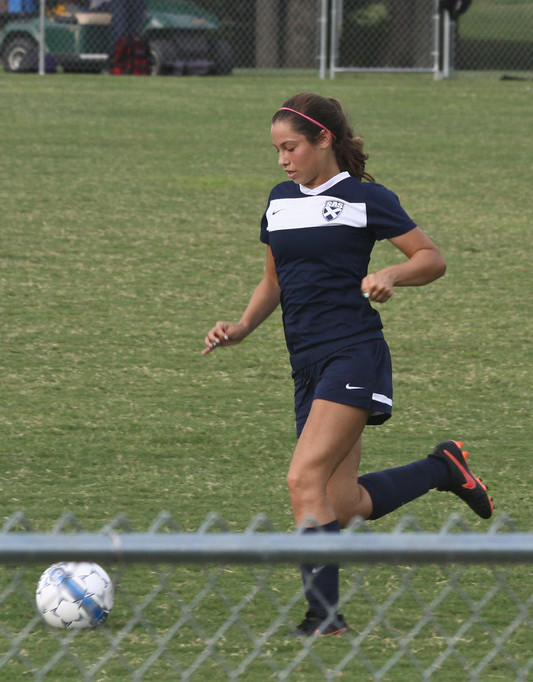
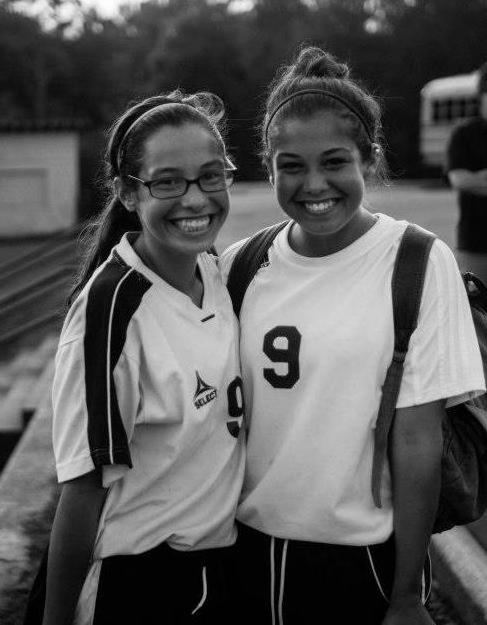 My mind has been on Title IX again over the past month, as Nancy and I (and our daughters, while we were all together in Colorado) watched the Women’s World Cup. Soccer has long been a very big deal in our household. Our daughters grew up playing, first in weekend league soccer and then through middle school and high school. Both of them were accomplished players. Both of them continue to love the sport. And so we all look forward to the World Cup — men’s and women’s — the way we look forward to holidays and birthdays.
 World Cup soccer — men’s and women’s — begins with what is called group play. The field of thirty-two is divided into eight groups of four. Each group plays among themselves, three matches for each team, and they get three points for a win, one point for a draw, and none for a loss. The two teams with the best record from each group advance to the knockout stage, so called because there are no ties, and the loser of each match is knocked out of the competition.
 Despite American disappointment, these developments actually constitute incredibly good news for women’s soccer around the world. Title IX paved the way for the U.S. women to become a dominant team, and in many European nations, where traditional football is THE sport, women’s teams have access to facilities and funding. But in other places this is simply not the case. The Jamaican woman faced so many financial hardships in their preparation for this year’s Cup that they literally had to rely on crowdfunding in order to participate.