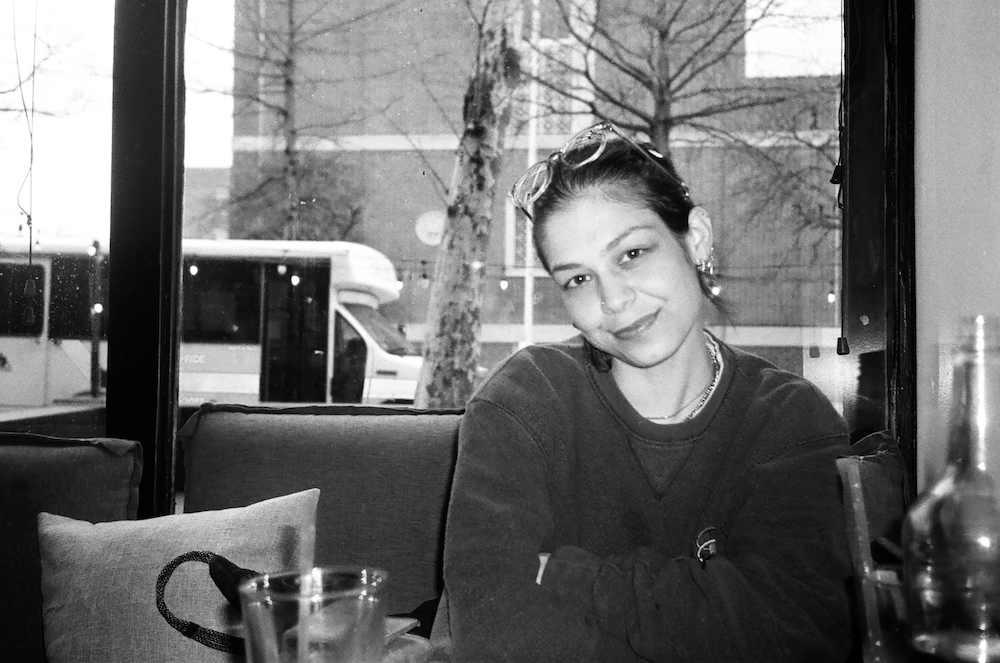
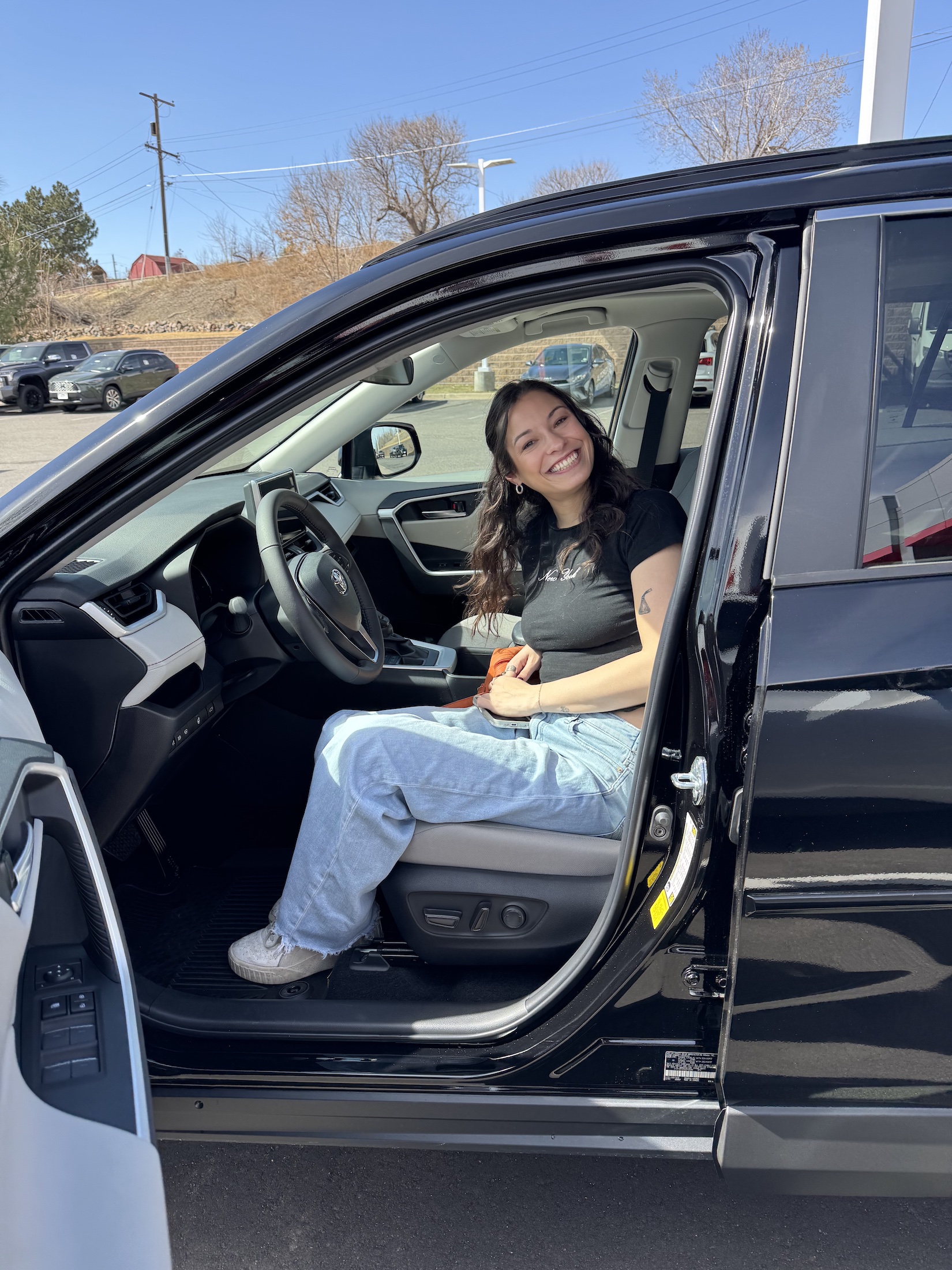
Last week, I flew out to Colorado to visit, Erin. Now, it goes without saying that I will leap at any chance to have time with my Peanut. I don’t need excuses to visit. But in this case, we had a bit of an agenda. Erin was in need of a car, and I went out to help her with the purchase.
Yes, she is 25 years old and could have done all of it on her own. But here’s the thing. Statistics show that women, on average, pay more for cars — new and used — than do men. In fact, White men pay the least of all. Women and all people of color will, on average, pay more for the same car, in the same regions, and even at the same dealerships. This is not an imagined form of discrimination. This is real and documented and supported by data.
So, out to Denver I went. We found her a car at a decent price. She’s happy, and I had time with my darling girl.
But . . .
The other night, I finally saw On The Basis of Sex, the Ruth Bader Ginsberg biopic that came out in 2018. The movie is, of course, a Hollywood take on an extraordinary historical figure, and so is bound to suffer from some flaws. But it offers an unstinting look at the barriers placed before RBG, who was always the smartest person in whatever room she entered, and always the best lawyer in any courtroom she graced. In this way, it reminded me of 42, the Jackie Robinson biopic starring the late Chadwick Boseman, and Hidden Figures, which told the stories of Katherine Johnson, Dorothy Vaughn, and Mary Jackson, Black NASA mathematicians whose revolutionary work helped make possible the American space program.
In all of these movies (and countless other similar films that I have failed to mention) we are reminded of the irrefutable truth that sexism and racism (as well as homophobia, religious bigotry, and discrimination against people with disabilities) create nearly insurmountable barriers to success for too many.
And this is the insidiousness of the current Administration’s hysterical and irrational assault on DEI programs across the country. The assumption underlying this “policy” is that white, cis, straight males are the standard that define what it means to be qualified and competent. This is, of course, utterly ridiculous, and to see how foolish it is, take a moment to read any online biography of General Charles Q. Brown, the former Chairman of the Joint Chiefs of Staff fired by the present occupant of the White House for no other reason than because he happens to be Black. For that matter, take a moment to read a biography of Admiral Linda Fagan, the first female commandant of the Coast Guard, or Admiral Lisa Franchetti, the first woman to serve as Chief of Naval Operations and thus the first female member of the Joint Chiefs. Both were fired, apparently, because they’re woman and, like Brown, were seen by the Administration as “DEI hires.”
As if the Administration itself isn’t filled with (and led by) hires that are based entirely on race and gender! Does anyone honestly think that Pete Hegseth would be Secretary of ANYTHING if he weren’t a straight White guy? Does anyone think that Donald Trump would be anything more than a two-bit grifter if he hadn’t been born White, male, and rich-as-fuck?
When I was in graduate school, my (white male) advisor told me the story of how he came to be hired as a history professor at Stanford. He happened to be in the office of his (white male) advisor when the (white male) chair of the history department at Stanford phoned the aforementioned advisor, who was an old pal from Yale. The history department chairman said, “We have an opening here for an American history professor. Do you have any grad students who are on the verge of finishing their dissertations?”
“Actually, I have one sitting right here, and he’d be perfect.” At that point, my advisor’s advisor turned the conversation over to my future advisor who was “interviewed” and hired on the spot.
They call it an Old Boys Network for a reason, and such advancement has long been available to White men across academia, as well as throughout the business world, the legal and medical professions, politics, and in pretty much every other professional realm imaginable. Was my advisor qualified for the job? Absolutely. Was he more qualified than anyone else — of any race, gender, or group — who might have sought the job at Stanford had it been advertised and thrown open to all properly credentialed applicants? Who knows?
DEI is not intended to give an unfair advantage to underrepresented groups. Rather it is intended as a corrective for a culture, society, and economic system that have been tilted in favor of White men literally for centuries.
And yes, I count myself among those who have benefited from that uneven playing field. Absolutely I do! I was born White, male, upper-middle class. I’m straight. I was given every opportunity to succeed — I grew up in a nice house, in a good school system, raised by parents who fed me well, kept me safe, and took an active role in my education. I was taught from an early age that being smart, and being perceived as smart, are good things. I never faced any social pressure to hide my intelligence in order to be deemed “more attractive,” as so many girls my age were. I never feared the police. I never was called by the “N” word, as my best friend was, in my presence, when we were twelve. When the time came, I was in an economic position that allowed me to attend an Ivy League university. What an advantage all of that was! My privilege set me up for success. I know this. And I deal with it the only way I know how: by being an ally to those who didn’t have my privilege, and by fighting (and voting) for social justice and economic equality at every opportunity. Yes, I’m Woke. You’re damn right I am.
The current Administration is attempting to reverse more than half a century of progress on women’s rights, Civil Rights, LGBTQ+ rights, and antipoverty efforts. Why? Because they see anything that further levels the playing field as being to their personal disadvantage. Many of their supporters feel the same way. They would rather perpetuate a system filled with bias, one that rewards mediocrity by limiting competition from qualified women, qualified people of color, qualified people with disabilities, qualified people who identify as queer. They are terrified by the surety that if forced to compete with a wider group of skilled, talented people, they are likely to lose out. And they’re probably right. But that doesn’t change the fact that they are pursuing an ideological agenda that is immoral, cruel, and bad for our country.
Wishing you a good week.

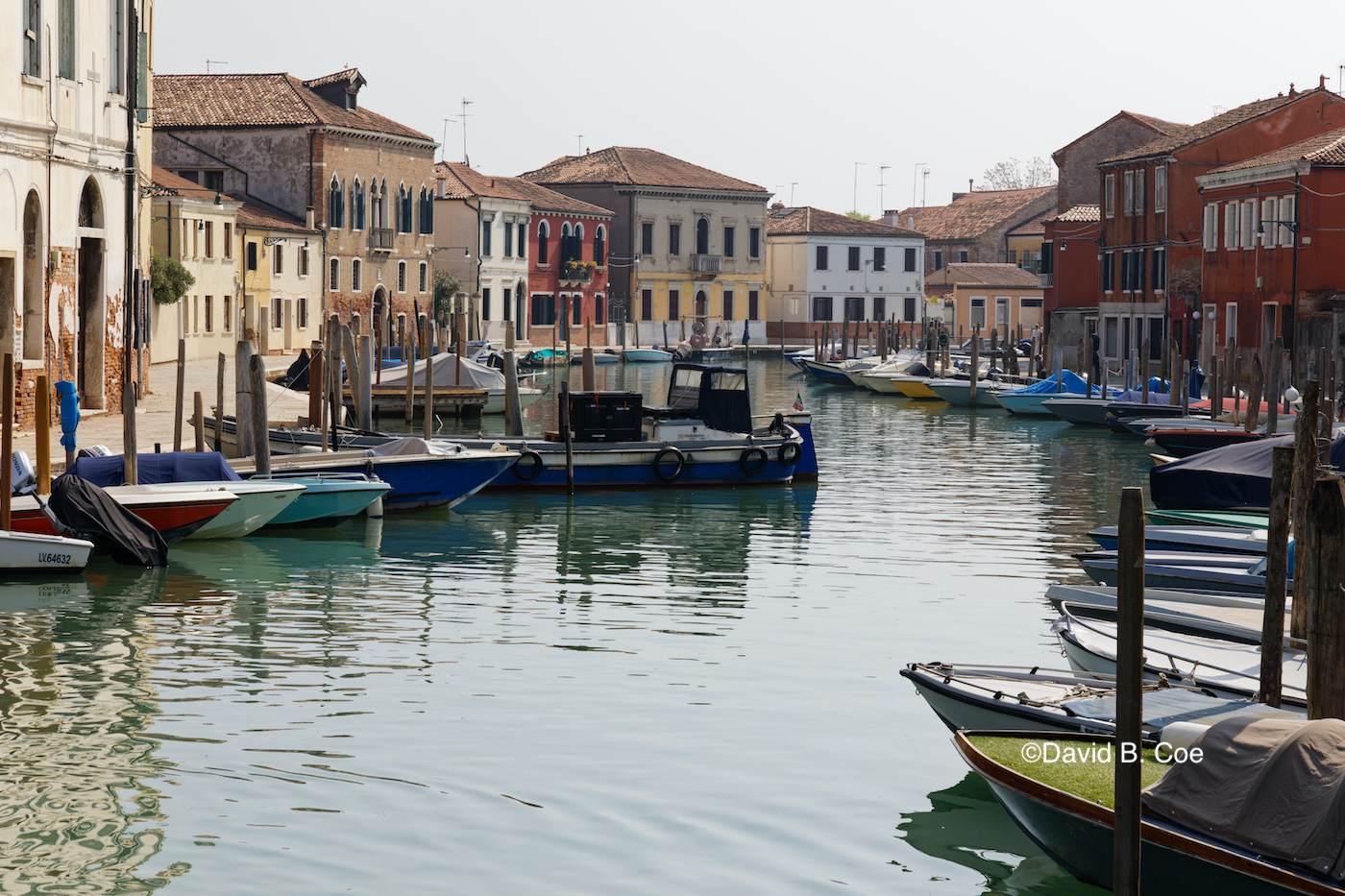
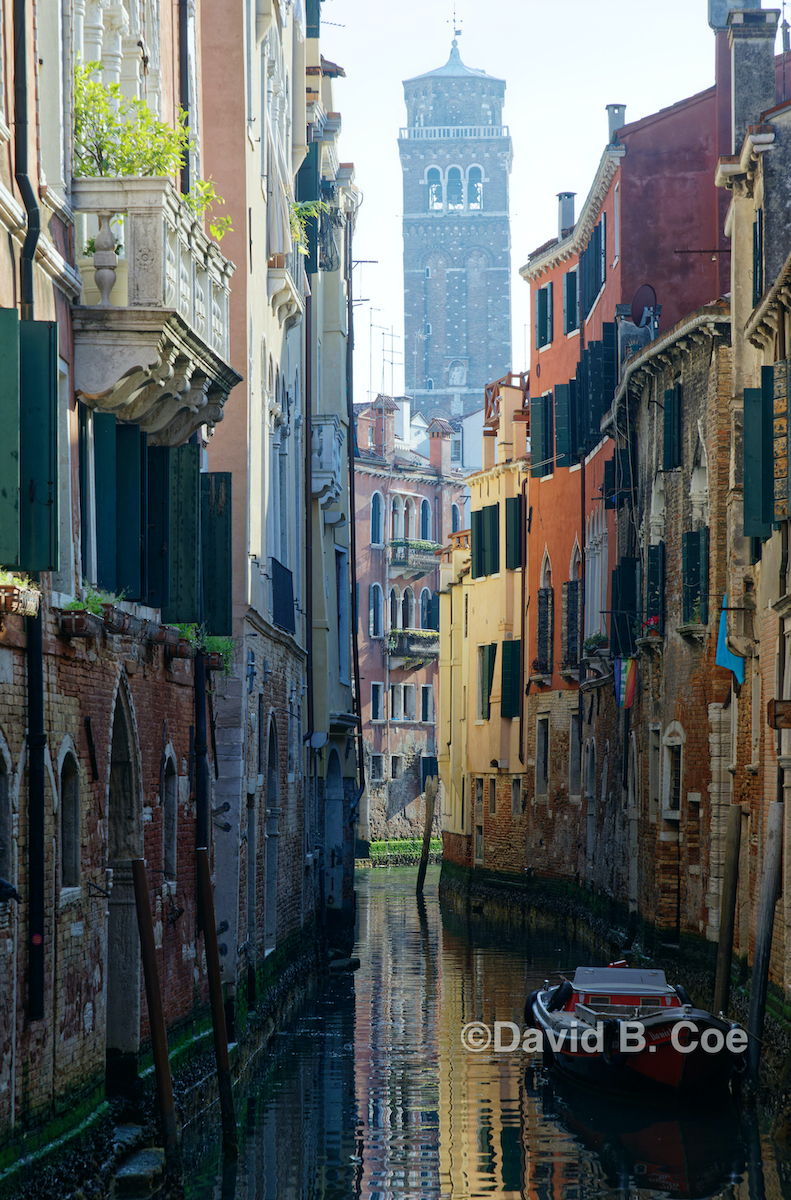
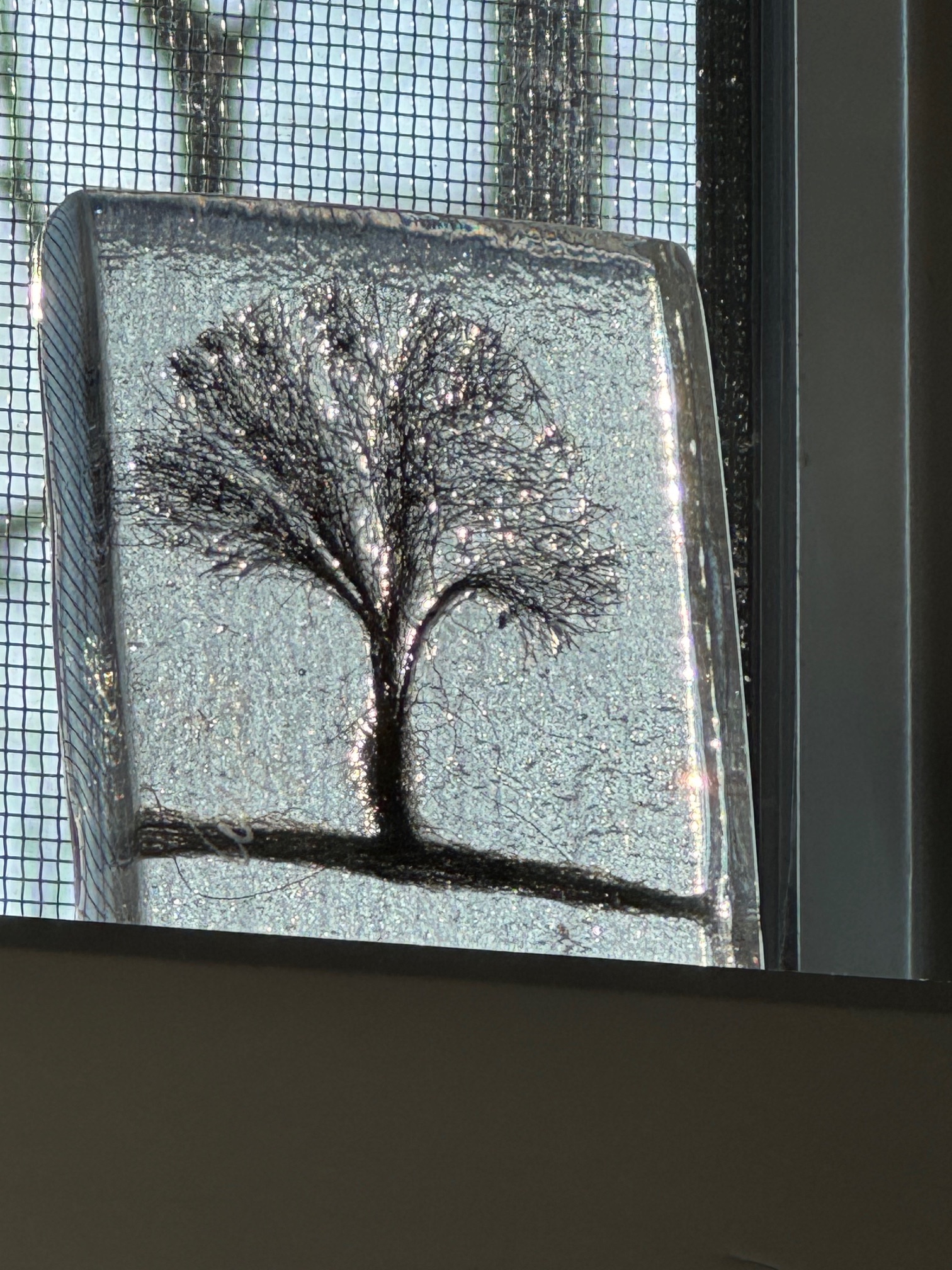 I kept it wrapped up even after we returned to the States. My plan was to open it once we were in our new house, which is what I did. It now sits in my office window, catching the late afternoon sun. And it reminds me of so much. That trip to Italy, which marked the beginning of my personal recovery from the trauma of losing Alex. That day in Venice, which was gloriously fun. The conversation with the kind shopkeeper, whose love for and pride in his father was palpable throughout our exchange. More, that little glass piece is an image of winter, and it sparkles like a gem when the sun hits it. It reminds me that even after a long cold winter, a time of grief and pain, there is always new life and the joy of a new spring.
 A cliché, to be sure. But as with so many clichés, it’s rooted in truth.
 What else have I got? Several years back, while attending a World Fantasy Convention, I bought signed prints of
  We have a few nice pieces of art that once belonged to my parents. We have photos we purchased just outside of Zion National Park — photos of the park taken by photographer
 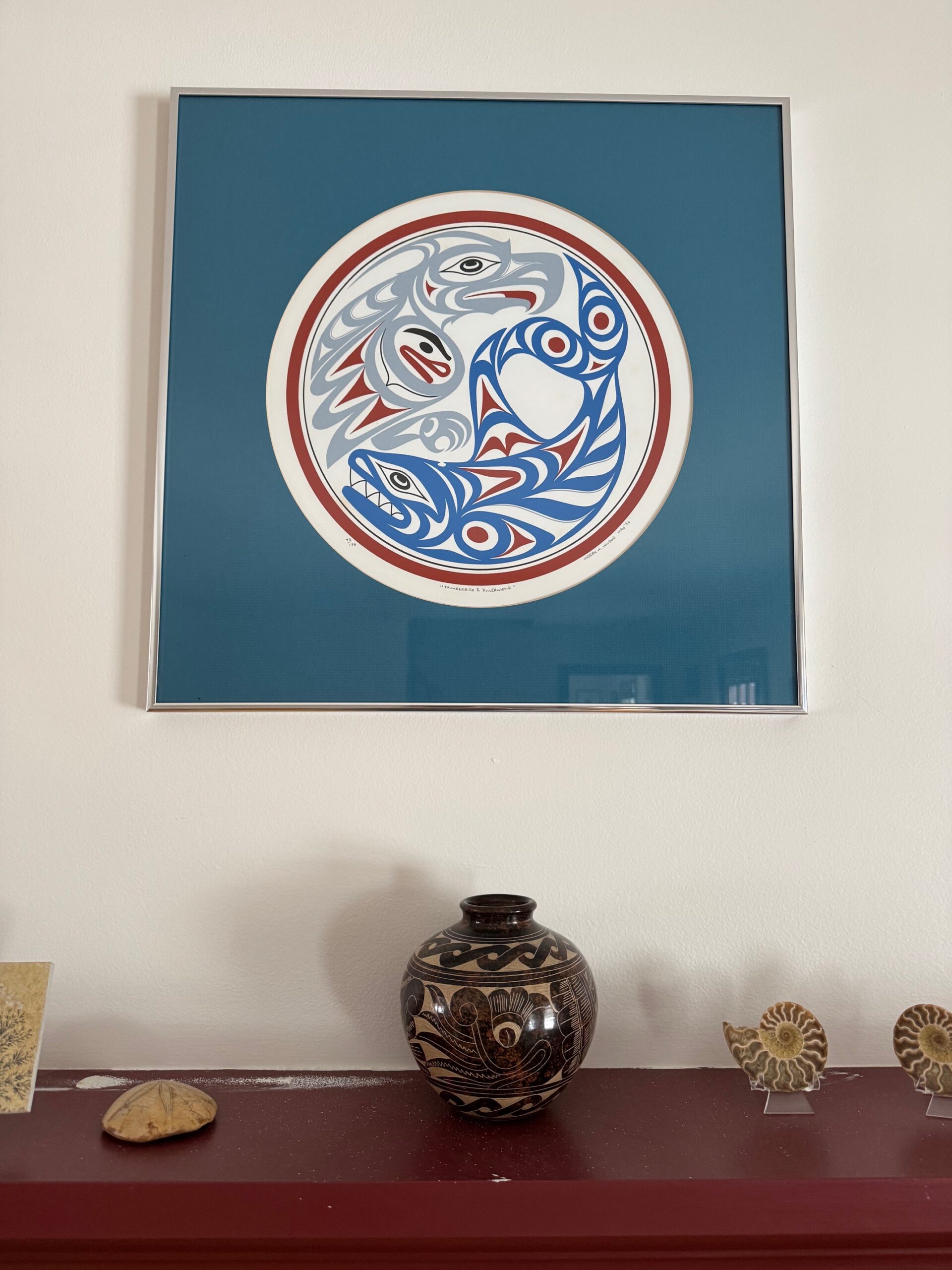 Of course, we have tons of smaller photos all around the house, of our darling daughters, of our parents and siblings, of friends, of our wedding.
 We woke this morning to a snow squall, something that happened with ever-decreasing frequency during our years in Tennessee, as climate change made the warm South even warmer. Here in New York, during the winter months, snow is still the default when there’s precipitation, and I love that. I have missed snow and don’t mind paying the plow guy or dealing with snow on the walkways and driveway. The beauty of an early morning snowfall more than makes up for the inconveniences.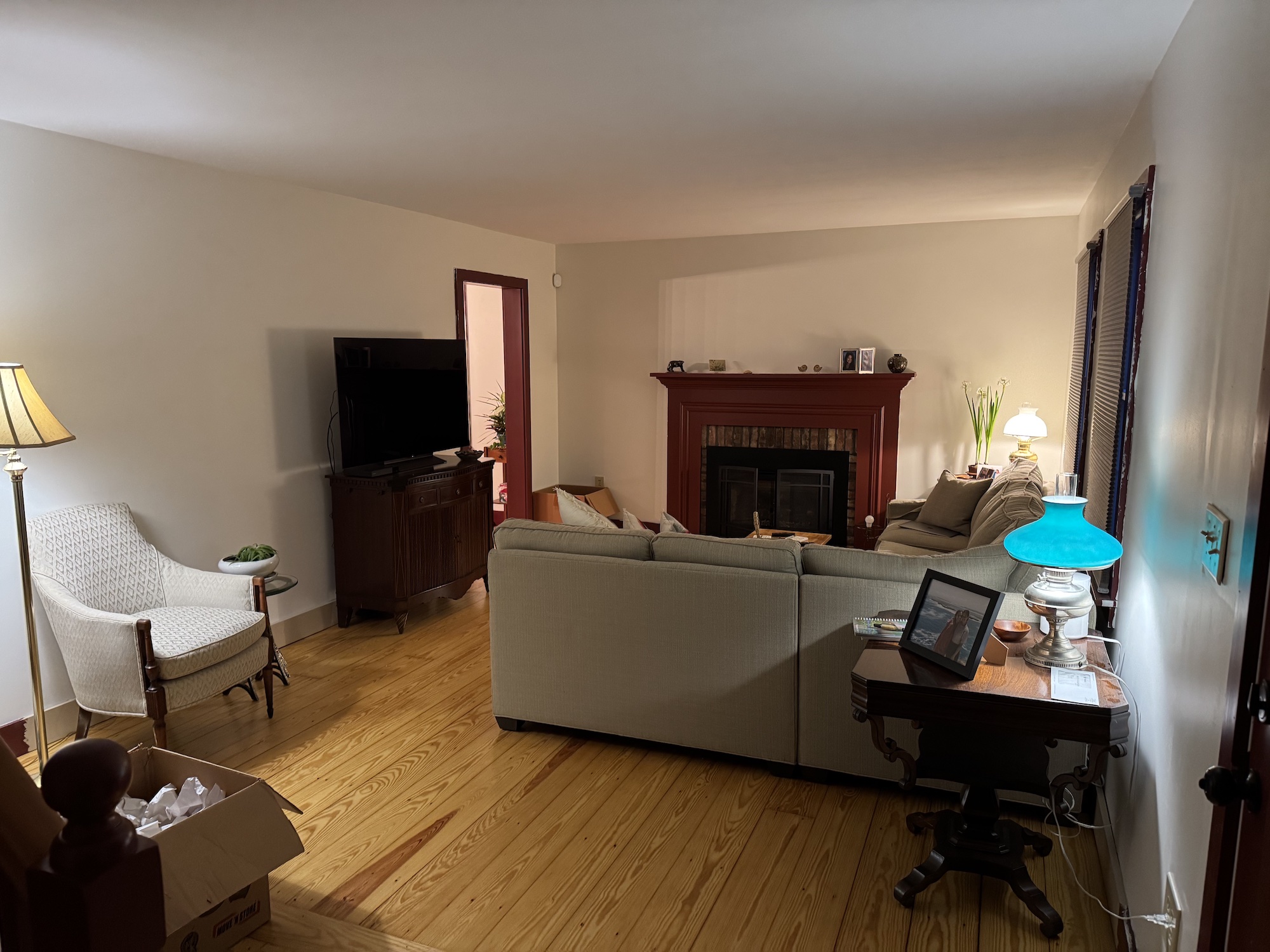

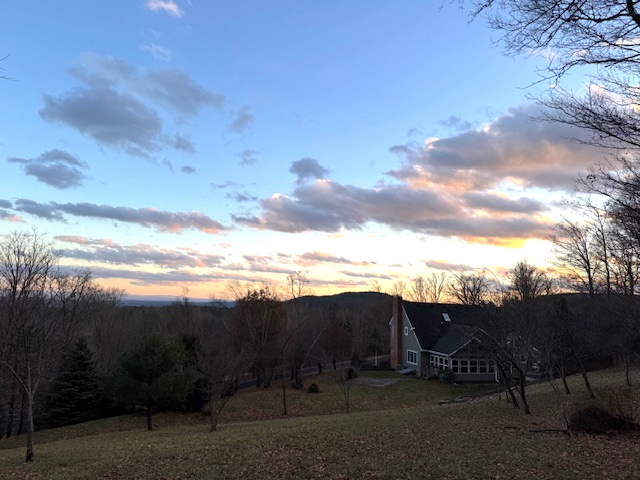


 This [see the photo above] will soon be our new home. It is in New York’s Hudson Valley, near Albany, on six-plus acres of beautiful land, complete with gardens, fruit trees, and a small pond. More important, it is maybe twenty minutes from my brother and sister-in-law, is equally close to one of my dearest friends and his partner, and is within easy drives of many other friends and family.