








I’ve taken a couple of weeks off from the blog recently — a week here, a week there. When I came back to the blog after all that happened last year, I chose to do so on my own terms. All things being equal, I would like to post something every week. But I don’t want these essays to become a burden, something I dread doing. And so when I have nothing to say, I keep my virtual mouth shut (a notion I would love to impart to more than a few public figures). And when life gets in the way, I don’t fight it. You all have been incredibly generous with your support and patience. I no longer worry that if I slack off for a week or two there’ll be no one here when I come back. Thank you for that.
The problem is, sometimes — often actually — I want to write, but I have no idea what about. Today is such a day. I would like this post to go somewhere. I’d like an idea to spark in my head and carry me along. I’m still waiting . . . .
It’s a musings post, and my mind is going in a lot of directions right now.
Recent travels:
We are just back from a week-long journey to Mexico City, where we attended the wedding of my nephew to the charming, brilliant, beautiful love of his life. We took part in a wonderful weekend of festivities that included a terrific Sunday afternoon with just the two extended families. Great food, the best mezcal I’ve ever had, a lovely setting, fun conversations, lots of laughter. At one point, I was speaking with the bride’s father, who brought up the old saying (apparently as common in Mexican society as in our own) that we can choose our friends, but our families are ours whether we want them or not. And weren’t we all so fortunate that both families were so great and got along so well? A laudable sentiment, and truly fitting.
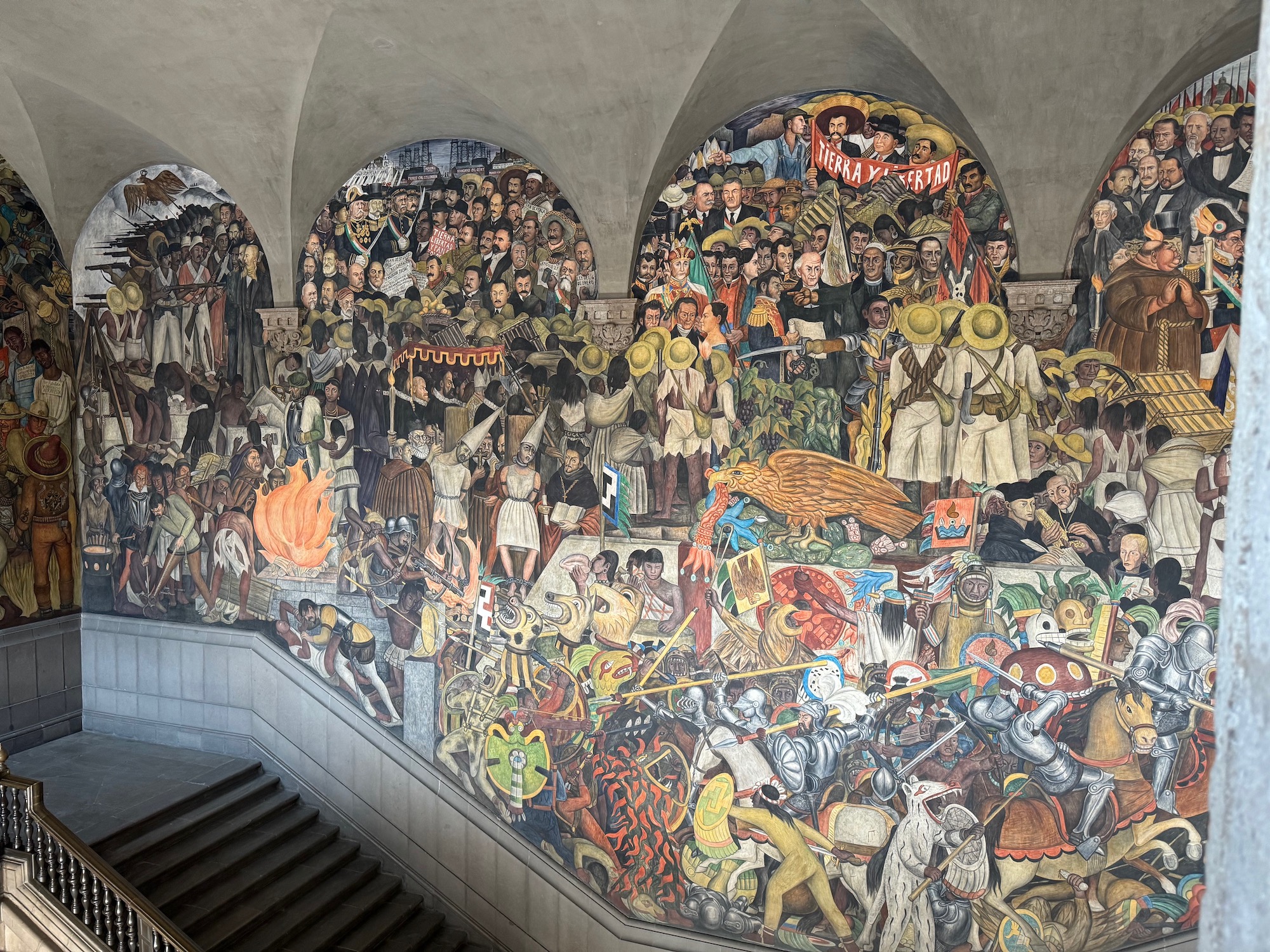
Nancy and I were struck again and again by the kindness and generosity of everyone we met in Mexico City. Our Spanish is not very good at all. But people were patient and went out of their way to help us. And we were fortunate to have so many memorable meals, as well as fascinating visits to the Museo Nacional de Antropologia and to the National Palace with its magnificent murals painted by Diego Rivera. My brother and I got in a fun day of birdwatching at the botanical garden of the Universidad Nacional Autónoma de México. A great visit.
Musical Explorations:
I have remarked before that Nancy and I are fairly new to the world of TV streaming. Until just about a year and a half ago, we were still suffering with satellite internet, which was too slow and too limited in terms of bandwidth to allow us to watch all the shows garnering raves from our friends. Well, the same was true of music. My listening was pretty much limited to the music I had on CDs, which I had uploaded to my computer and phone. This year, finally, I subscribed to a music streaming service and I have been exploring artists about whom I had been curious, or to whom I had been introduced by friends and family. (Looking at you, Erin!)
Like who? you ask. Well, as I write this, I am listening to Zac Brown Band, whose music I have come to love. Rockin’ Country music with terrific vocals and a great instrumental sound. Zac Brown plays Taylor guitars, so I was first introduced to his stuff by their promotional materials. And then Erin played a bunch of his songs for me. Now I am hooked.
Lots of friends had told me about Jason Isbell, and I own and love Southeastern, a haunting, powerful album. Now, I’m working my way through the rest of his catalogue, which is excellent as well.
Australian guitar virtuoso Tommy Emmanuel plays an eclectic blend of country, blues, rock, folk, and oldies, and because he’s so good, everyone wants to play with him, so you can find him doing duets with a who’s who of musical royalty. Some of the music is instrumental. Some has vocals. All of it is enormous fun.
Soccer:
Yeah, I know. I’ve written about this before. But Nancy and I are deep into this year’s Premier League (England) season, which is shaping up to be one for the ages. In recent years, one team has dominated, or, if fans are fortunate, two teams have fought for the season title. This year, with ten matches left on everyone’s schedule, three teams, Arsenal, Liverpool, and Manchester City are locked in a super-close battle that seems destined to come down to the final week of the campaign. This weekend, Liverpool and Man City played a thrilling, taut, brilliant match that ended in a 1-1 tie.
Yes, I’m sure that sounds like a contradiction — a thrilling 1-1 tie? How can that be? Trust me, it can. End-to-end action, inspired defense, a few moments of almost inconceivable luck that left both of us speechless, and beautiful, precise play throughout. Americans love offense. I get that. That’s why pro football has become something more like flag football than the defense-heavy sport I remember from my youth. It’s why baseball is now all about home runs. But part of the appeal of soccer is that every goal is precious. A single score can change the complexion of everything happening on the pitch. And in a match as important as this weekend’s Liverpool-Man City fixture, each scoring opportunity was crucial. What fun. Can’t wait for next week!
So, yeah. A bit of travel, a bit of music, a bit of sport. Nothing earth-shattering. And that’s okay. There’s lots of really dire, important stuff happening in the world. I’ll get back to those topics at some point. Or not. But sometimes we need to stop and enjoy the little stuff.
Be well, and be kind to one another.
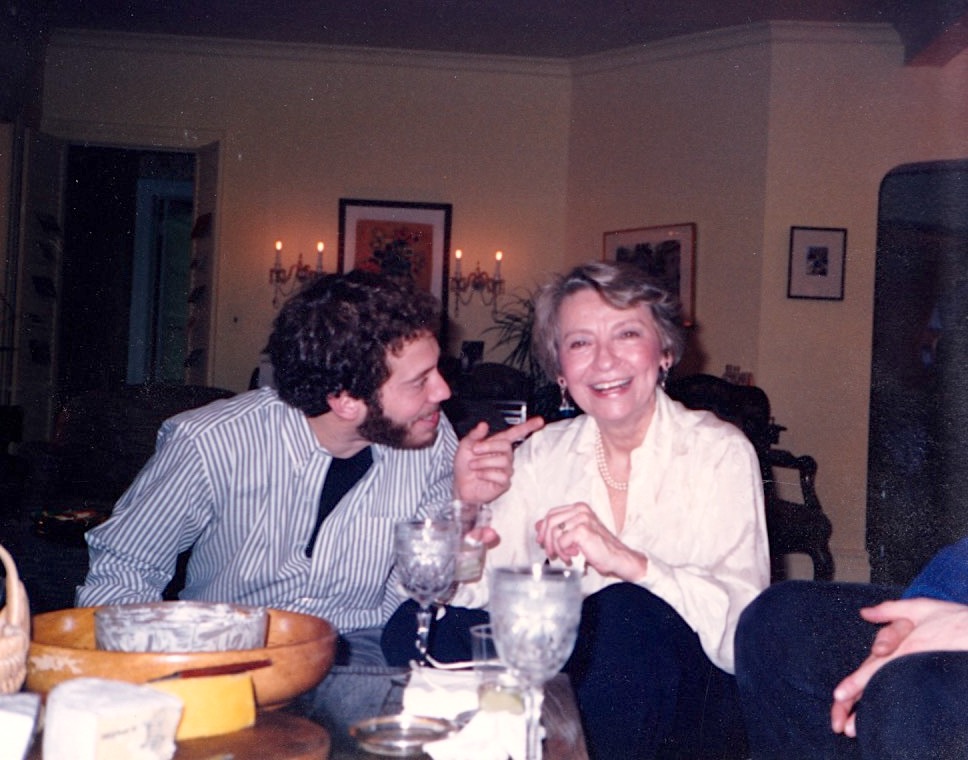 My mother would be 102 years old today, which speaks to a) how very old I am, and b) how uncommonly old she was when she and my father had me. I was born at the end of the Baby Boom, when most couples in their early-forties were done having children. Mom always worried that she would be too old to be a good mother to me, whatever that might have meant. She shouldn’t have worried. She was a wonderful mother — caring, involved, just intrusive enough to make me feel loved without being so intrusive that I felt smothered.
 Within moments, I was gliding over lush rain forest, surrounded by a ghostly mist, utterly alone, and, it seemed, in a cocoon of sensation — birds called from the green below me, the air was redolent with the sweet scents of rain and earth and forest decay, mist cooled my face, the green of the damp foliage was so brilliant as to appear unreal. Time fell away. Yes, I was moving. But to this day, I couldn’t tell you how long it took me to float through that segment of the course. It could have been mere seconds. It could have been hours. It didn’t matter. For the purposes of that experience, time meant nothing to me. I had escaped the tyranny of clocks and calendars.
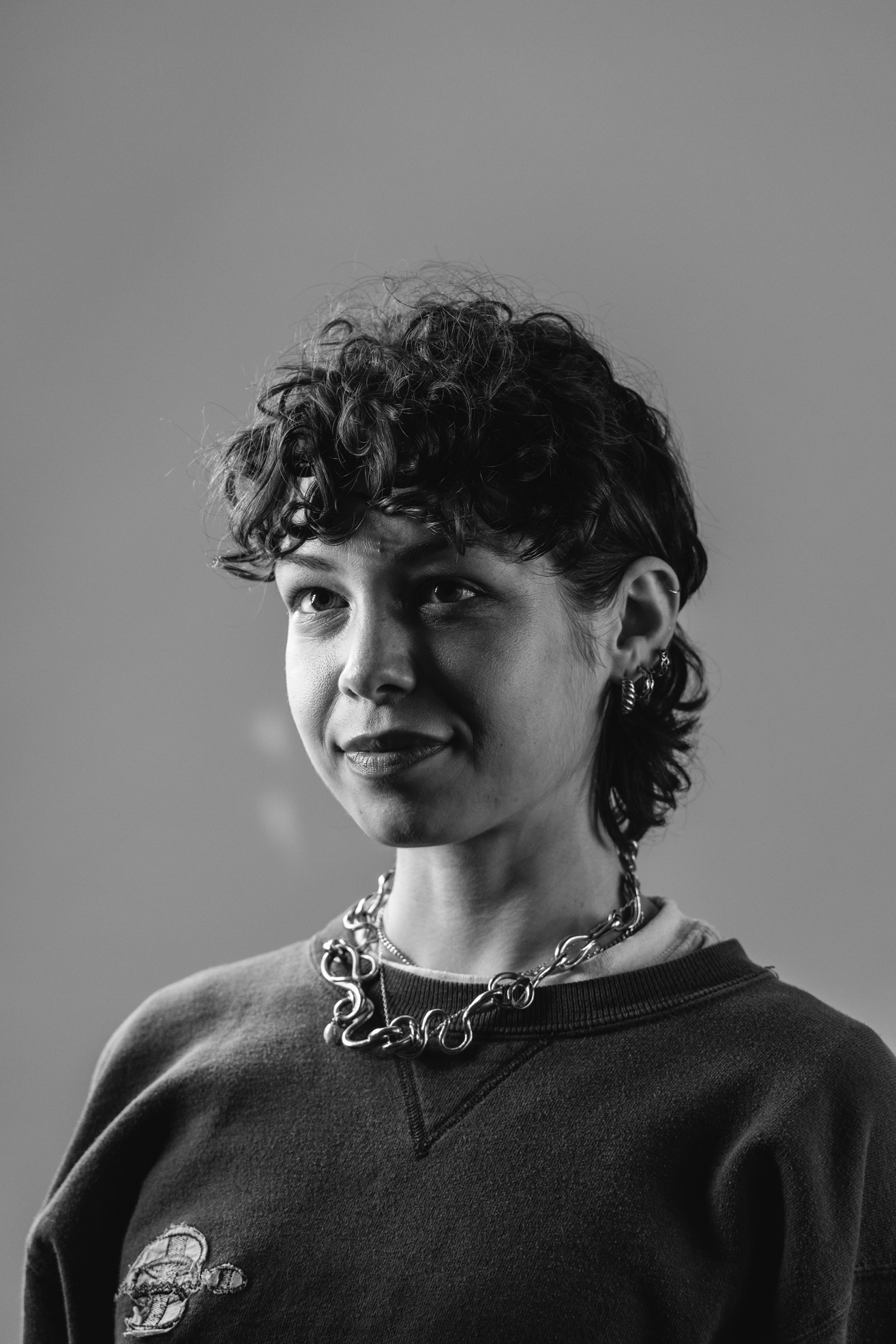 Today is the 22nd of January. It’s been exactly three months since our older daughter passed away.
 As I say, if you know me, you probably don’t find this surprising. I have spoken and written about my love of the Grateful Dead, my experiences shivering outside on cold nights, in the dark of Providence, Rhode Island winters, waiting at the Providence Civic Center for Dead tickets to go on sale. People don’t do that unless they have already done damage to their prefrontal cortex. I could tell additional stories. It is possible that I (and select others) was (were) high during at least one musical performance that we gave while in college. I might remember playing Cat Stevens’s hit “Wild World” and literally watching my digital dexterity degrade over the course of the song.
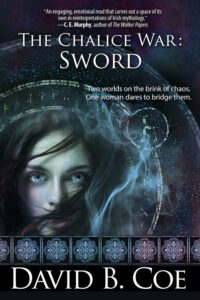 In the last year, I have written two pieces of original short fiction. That’s it. I haven’t written a novel since I finished The Chalice War: Sword, late in 2022. I have recently started work on a tie-in project (I can’t really say more than that, right now), a novel. It is coming slowly, and because I am essentially playing in someone else’s world, the emotions I’ll be mining are somewhat removed from my own. I spent the first half of last year doing a bunch of editing, for myself and for others, figuring that when those projects were through, I would dive into a new book of my own.
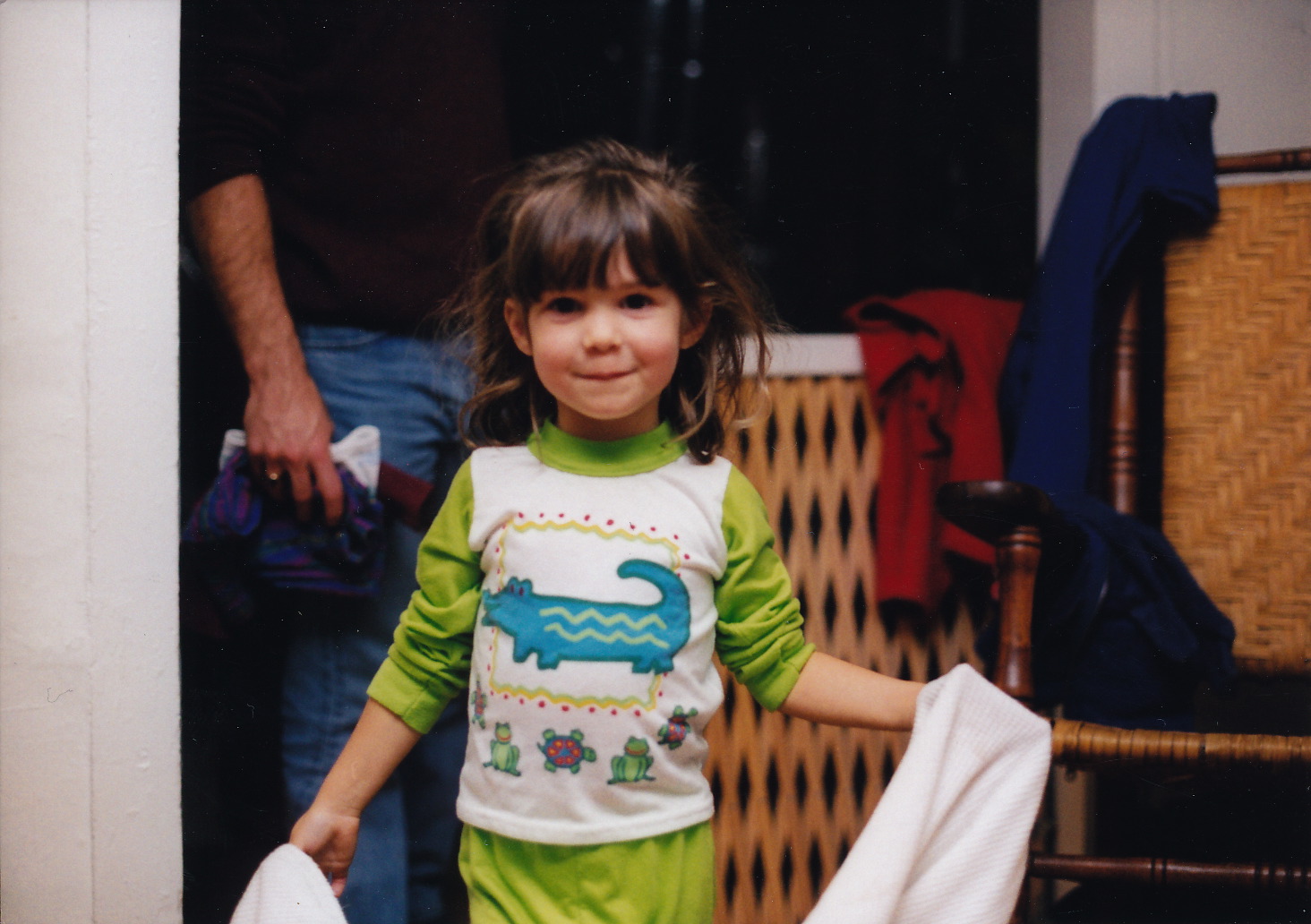 At this point, the celebrations of her life are over. Guests from out of town have left. Erin has gone back home. Nancy is starting to work again, and I am gearing up to do the same. We are, I suppose, stepping back into “normal” life. Except there is nothing normal about it, and in ways that truly matter, in ways that will remain with us for the rest of our lives, it will never really be normal at all, ever again.
 The numbness, though — that bothers me. I want to feel. I want to weep for my child or laugh at a golden memory. I want to feel pain and love and loss and connection, because those keep my vision of Alex fresh and present. Numbness threatens oblivion. Numbness makes the loss seem complete, irretrievable — and that I don’t want. Not ever. Better to cry every day for the rest of my life than lose my hold on these emotions.