








As I mentioned in my Monday post, Nancy and I spent the last week of September and the first two weeks of October exploring South Africa. I will admit up front that a part of me balked at the idea of going in the first place. I came of age during the anti-Apartheid campaigns of the early 1980s. I protested Brown’s investment policies and even attended an (overly polite and non-confrontational) “sit-in” of the university registrar’s office.
The transfer of power negotiated by Nelson Mandela and F.W. De Klerk in 1993 (for which the two men shared that year’s Nobel Peace Prize) dismantled the Apartheid regime and led to majority governance in the country, ending decades of brutality and autocratic rule by the nation’s White minority. But to this day, vast economic inequalities persist throughout the country. Houses in White neighborhoods are almost universally fronted by electrified fences and curls of razor wire. Black townships remain overcrowded, rundown, filled with tiny houses fashioned from wood scraps and sheets of corrugated steel. Many townships still struggle to provide electricity and plumbing. Crime in South Africa is rampant; it has the fifth highest crime index in the world, and has seen epidemics of murders and gang activity in recent years.
And as White tourists in the country, traveling from the States, Nancy and I knew that we would be safely ensconced in the White economy, guarded by those electric fences and rolls of razor wire. Nearly all the service workers we encountered were people of color, just as nearly every person we met on the various tours we took were White tourists from Europe, Australia, the United States, and even South Africa itself. The entire dynamic made us uncomfortable.
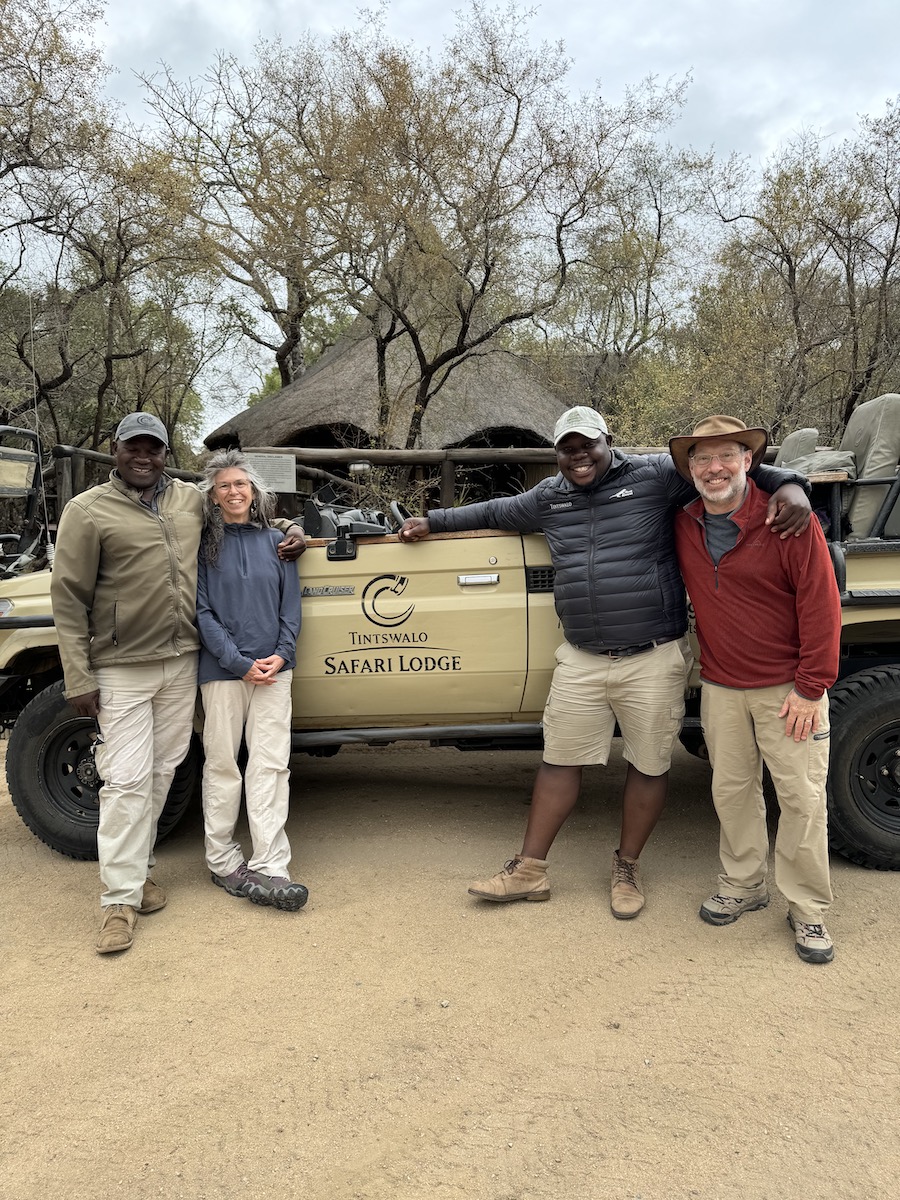
Yet, throughout our stay, our interactions with the South African people were almost uniformly positive and friendly. Our tour guides during the day we spent in Johannesburg seeing the Mandela House, the Apartheid Museum, and Soweto, were fantastic. And the two drivers and two trackers who showed us around the Greater Kruger area, were remarkably knowledgeable and clearly loved their jobs. They took palpable joy in finding animals and birds and sharing with us their understanding of the land. (All four grew up in surrounding villages.)
The two lodges we stayed at while in the bush were, I will admit, pretty darn luxurious. We slept on comfortable beds, ate very good food, had some lovely wines, and were able to spend the midday hours relaxing. But every morning we got up around 4:45, had a quick bite to eat or cup of coffee, and headed out in the trucks to look for animals and birds. We’d remain out until about 9:30. And every afternoon at about 4:00, we’d go out again, remaining in the bush until after dark (about 7:00). At our first lodge, where we stayed for three days, we were the only two people in the truck aside from our driver and tracker. At the second place (also three days), we were with one other couple, also from the States, who were great.
The trucks themselves were large and built like, well, trucks. They had no roofs and no doors, but the cabs were a couple of feet off the ground and the vehicles were tough enough to go off road any time it seemed necessary. The tracker’s seat was set basically above the front bumper and equipped with two low metal handles for the tracker to grip when things got bumpy. But the tracker was essentially OUTSIDE the truck. Keep that in mind . . . .
Most of the animals we encountered were not at all afraid of the trucks. They see them all the time, pretty much every day, and no harm ever comes to them or their offspring. They seem to look upon the trucks as some sort of strange species that make certain noises and smell a certain way. That said, though, there are strict rules for those of us riding. We are not allowed to stand up or put our heads or any of our limbs outside of the truck. And while we can speak, we were told to keep our voices low and level. In other words, we’re not to do anything that breaks the shape or appearance of the truck. Essentially, as long as the truck remains a “truck” to the animals, all is well. As soon as those of us on the truck set ourselves apart and appear to be something separate from the vehicle, the truck kind of becomes a food cart. No one wants that . . . .
We, of course, followed all the rules.
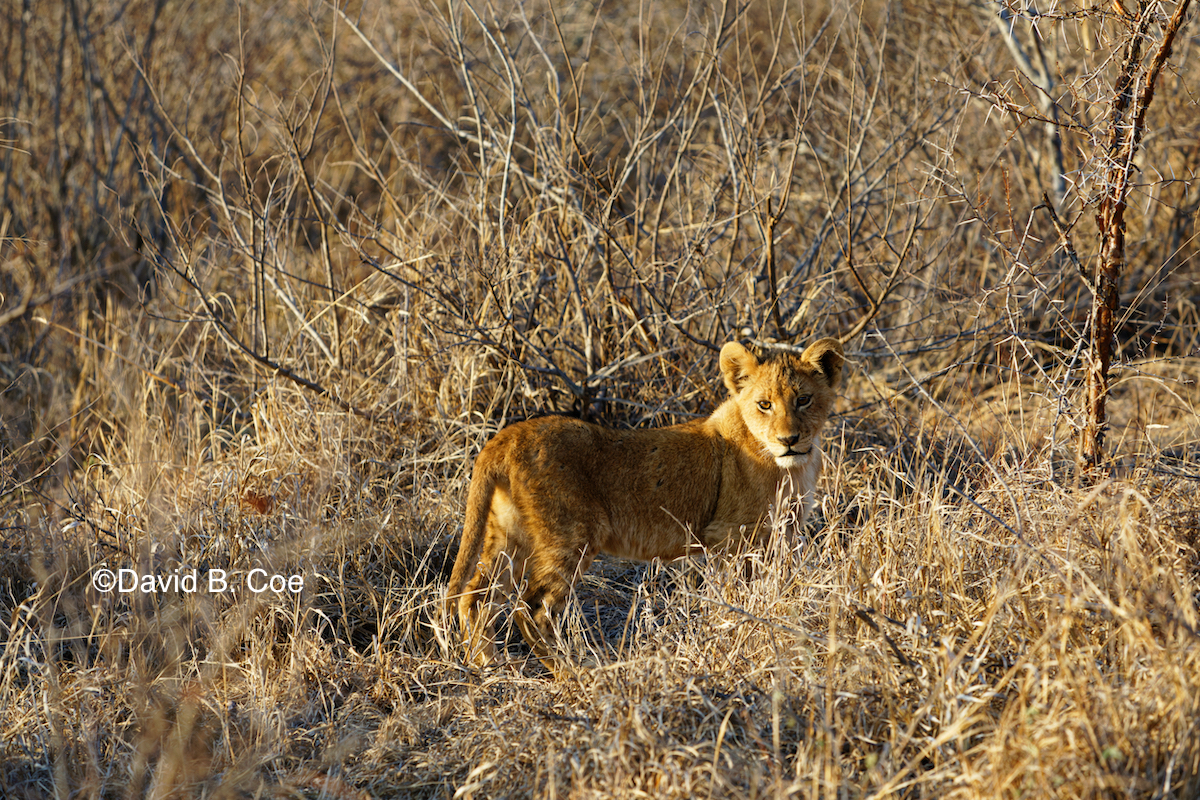
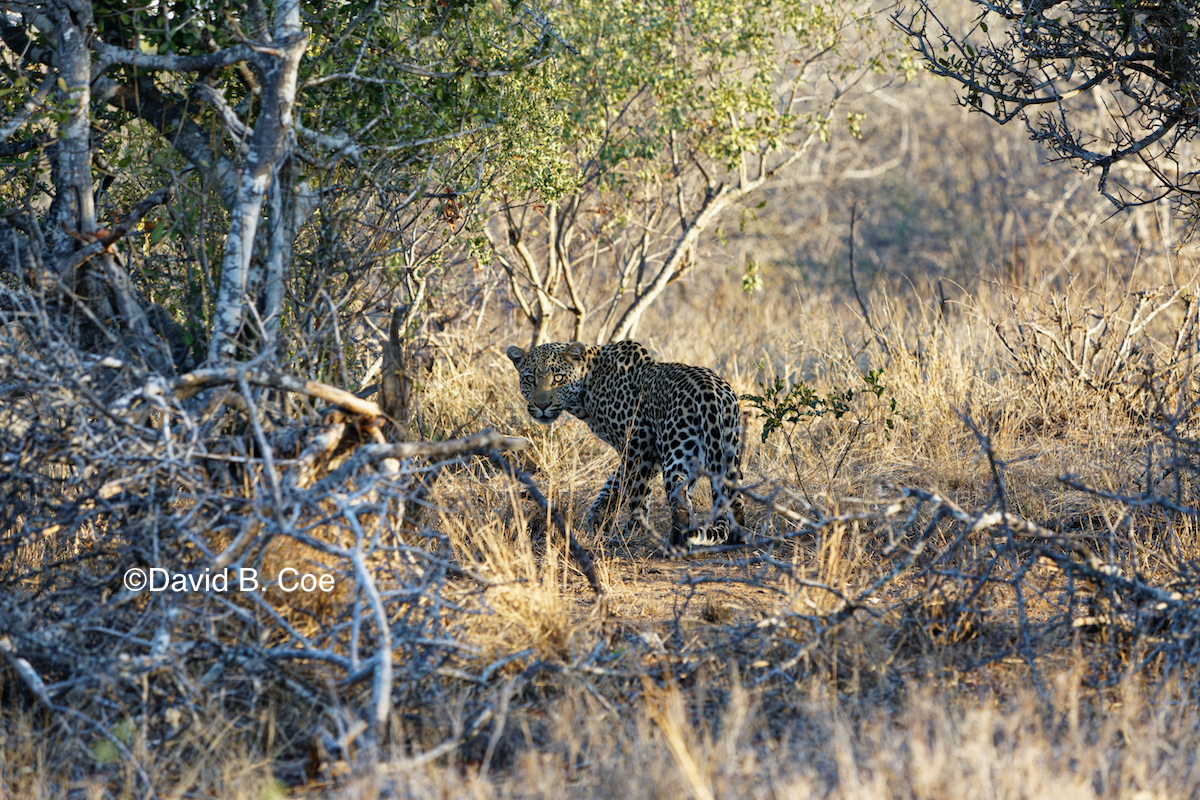
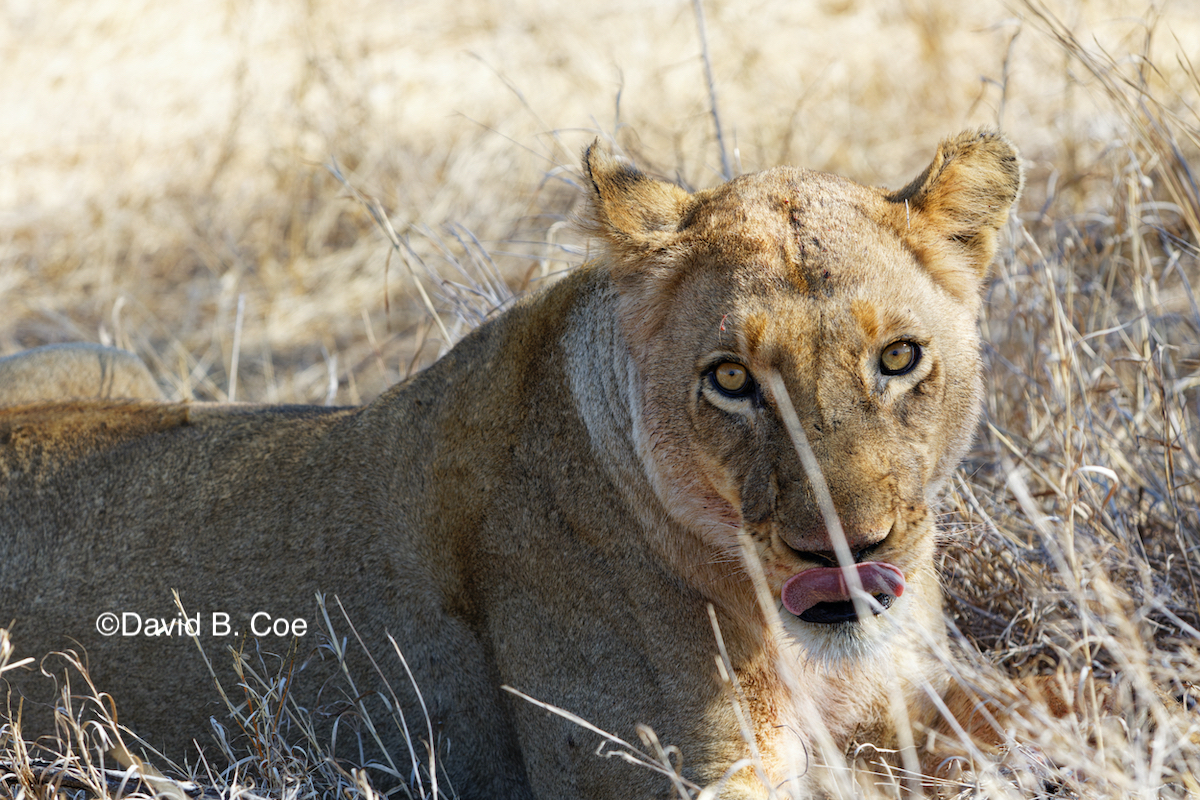
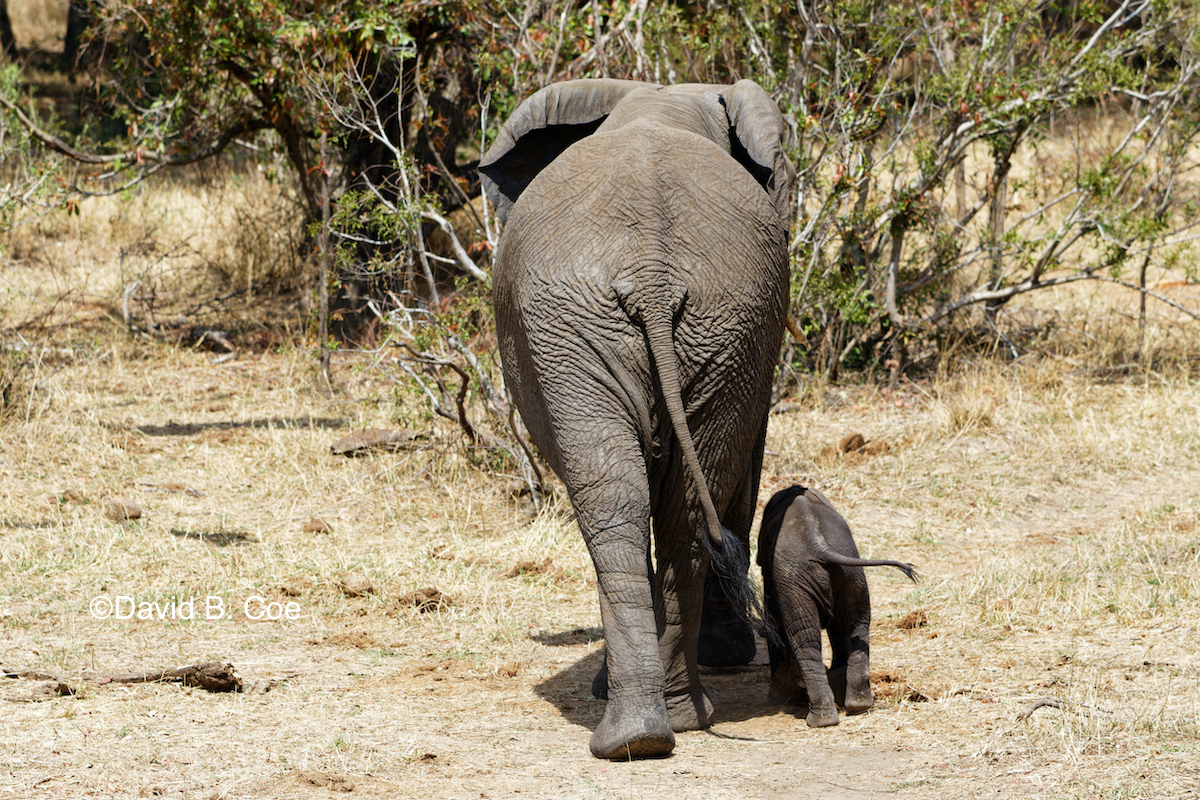
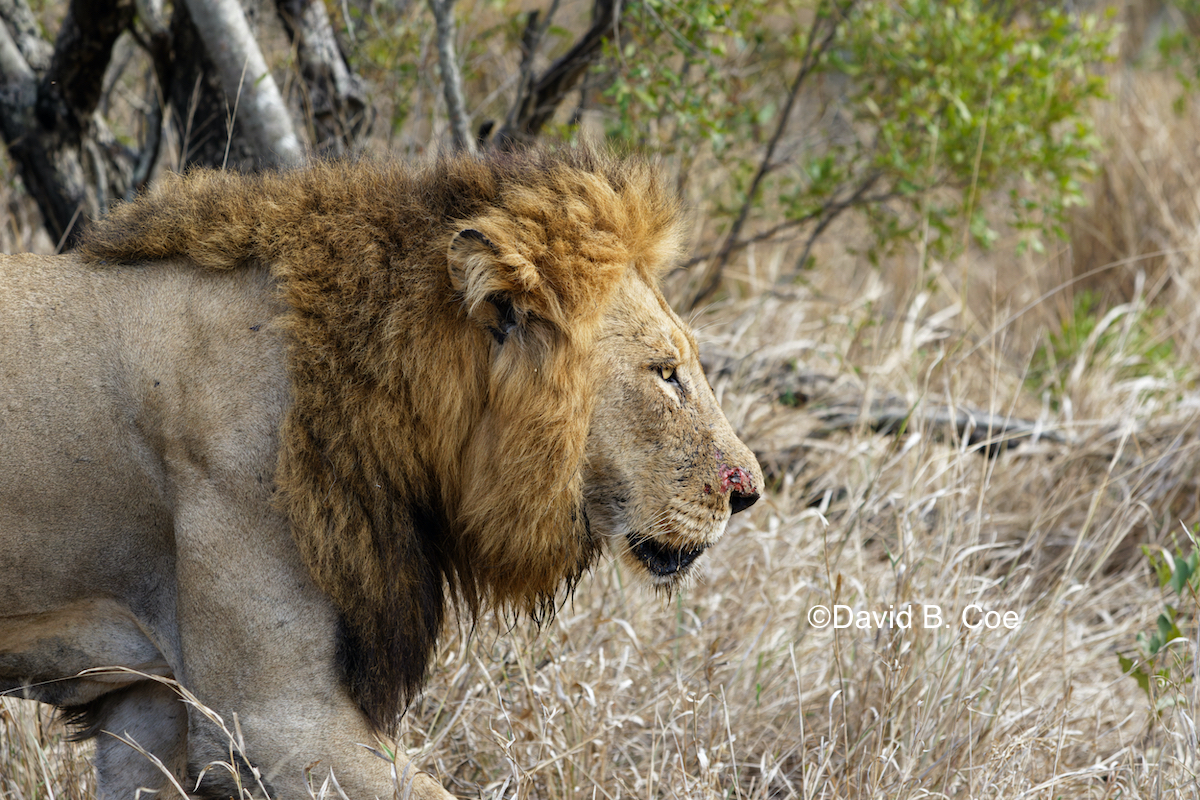
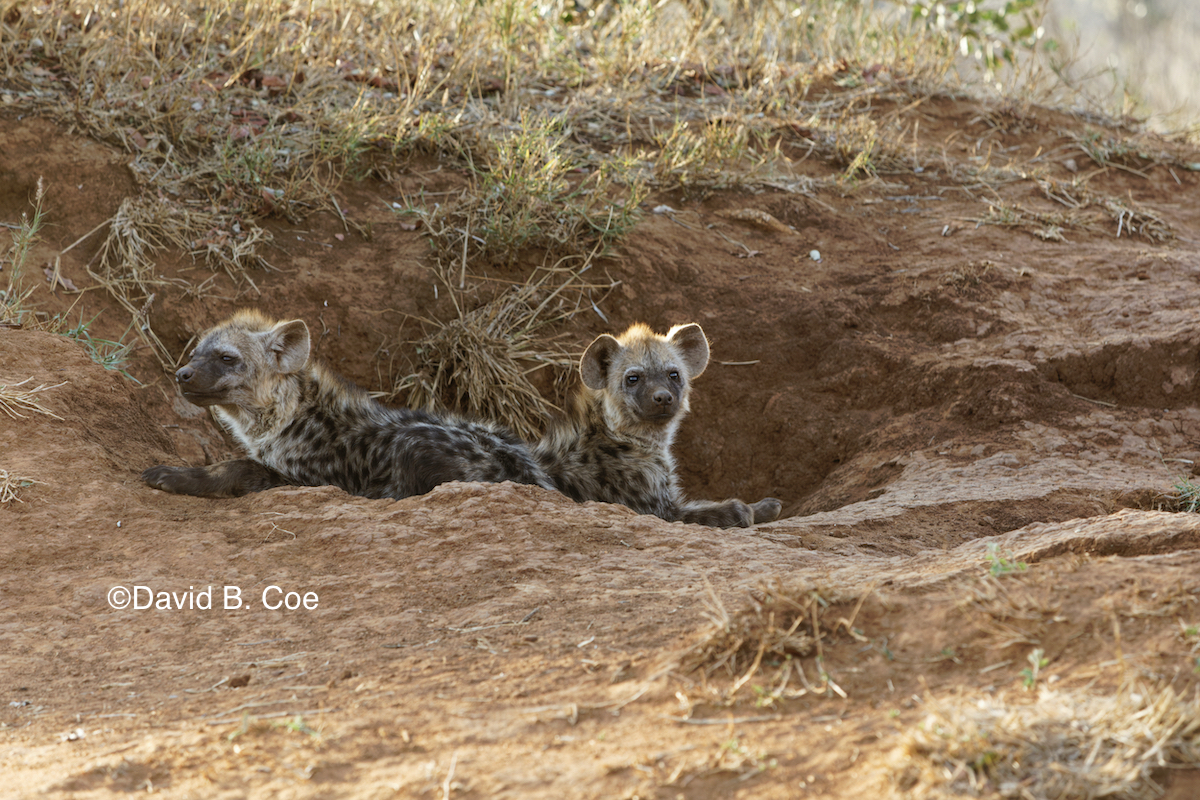
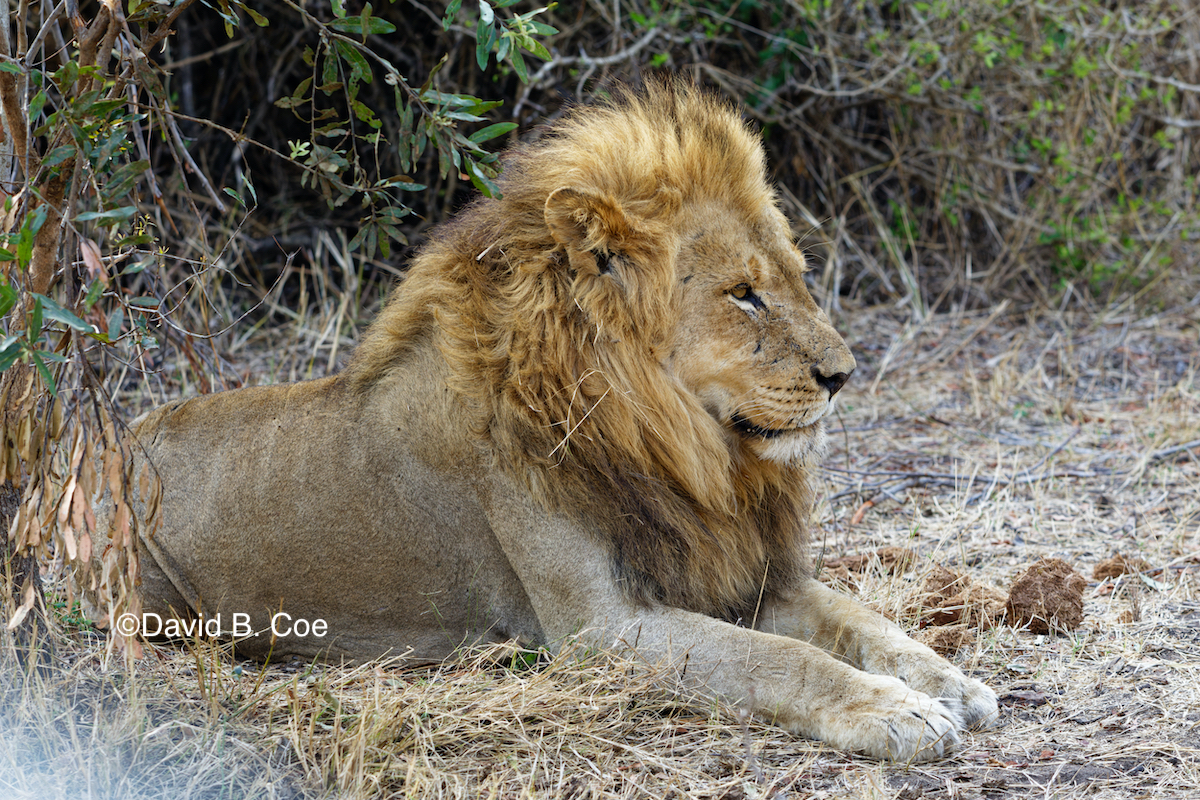
And so we were able to get incredibly close to the animals we saw. I mean REALLY close. At one point, a mother lion and her cubs walked RIGHT by the truck we were in. The animals were maybe two feet — TWO FEET — from the side of the vehicle. I had a good lens with me — a Canon “L” 70-200mm F/4 with image stabilization — and it paired with a 1.4X teleconverter, which made it about 50% more powerful. But that lens combination is less powerful than a basic pair of binoculars. And while I do some cropping of my photos, none of the images that follow are cropped drastically to make things appear closer. We were just really close. And yes, our tracker was also about two feet from the mama lion and her cubs, sitting on that unprotected seat above the bumper. Never for a minute did he appear to afraid.
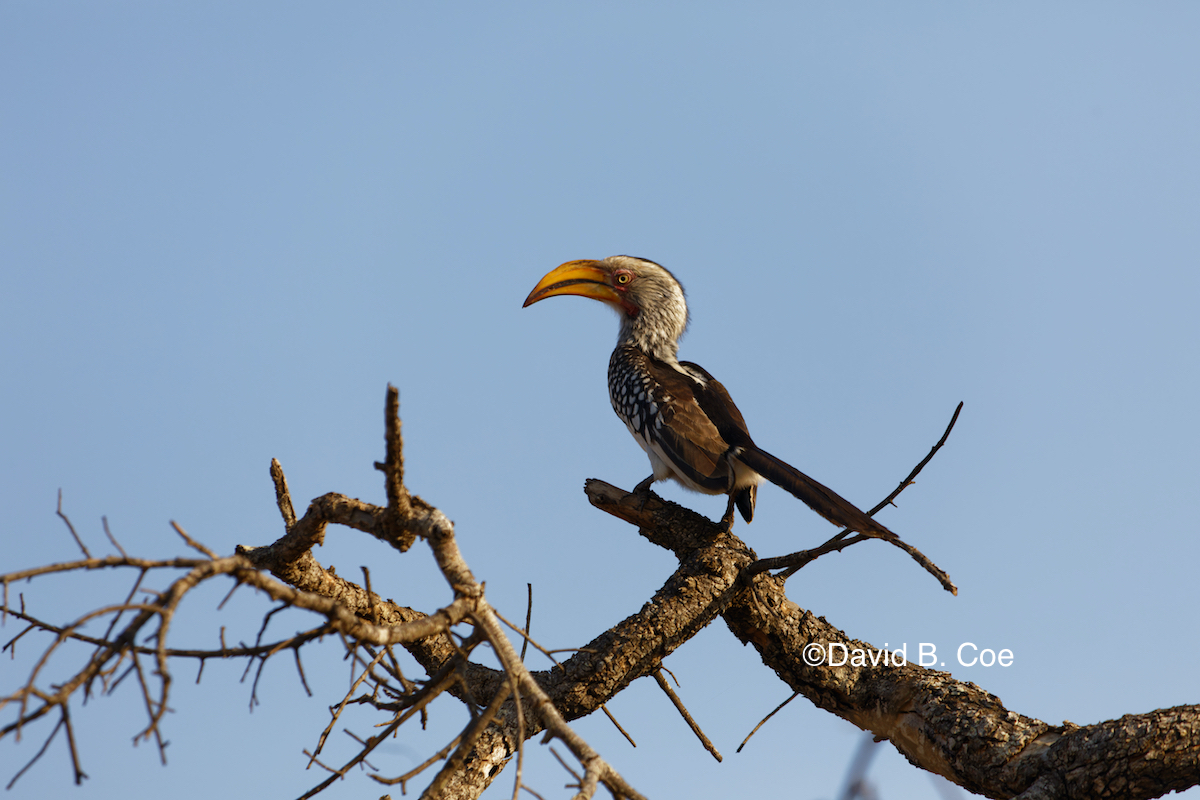
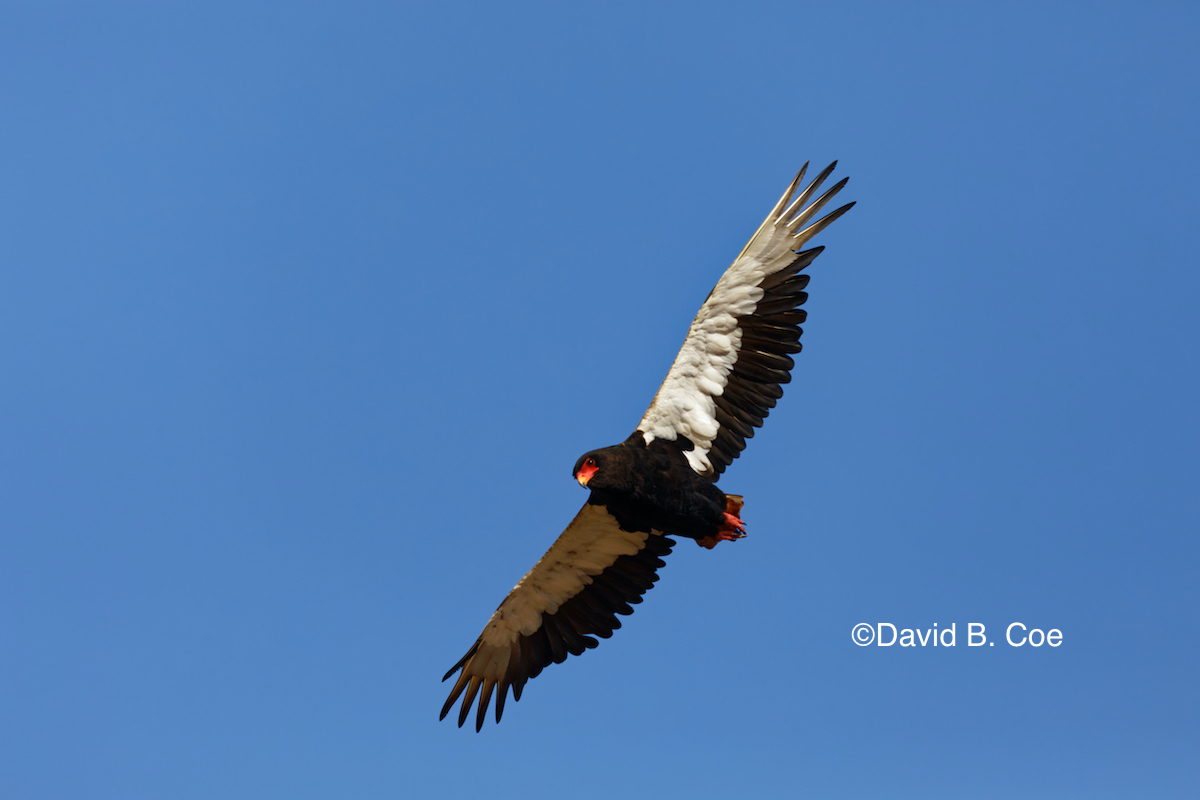
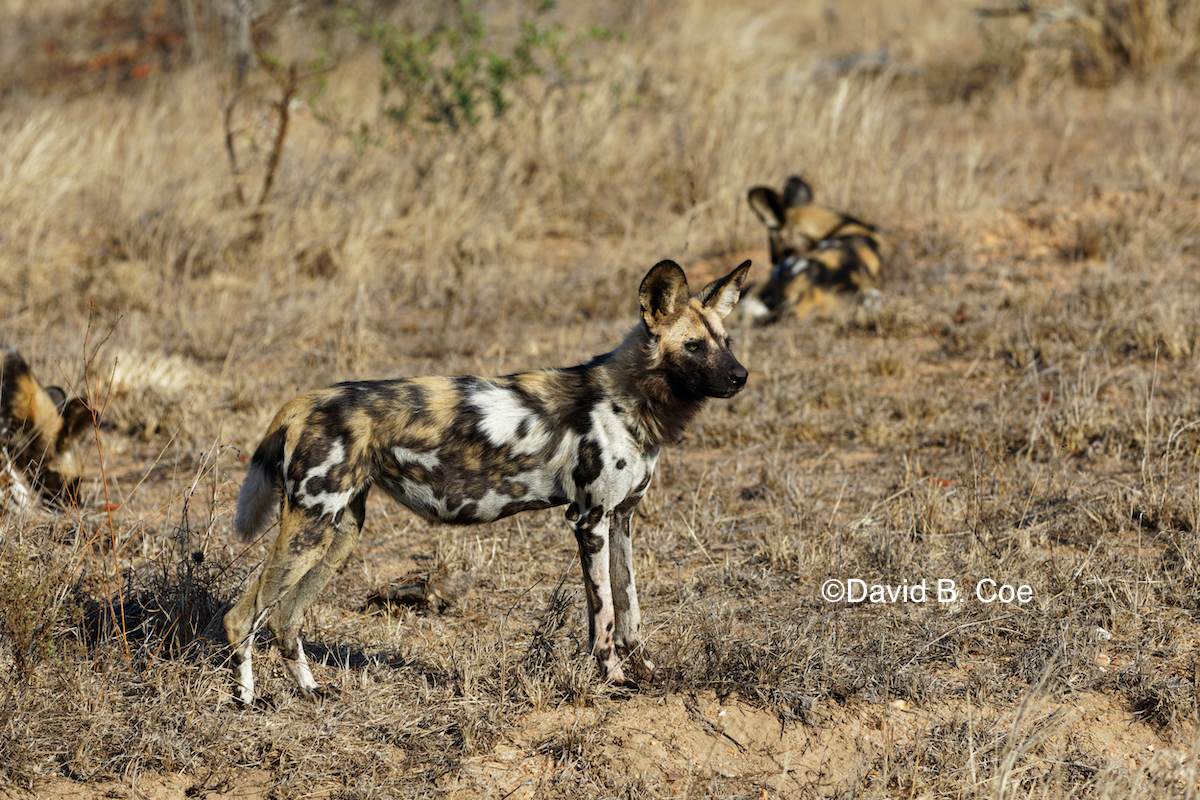
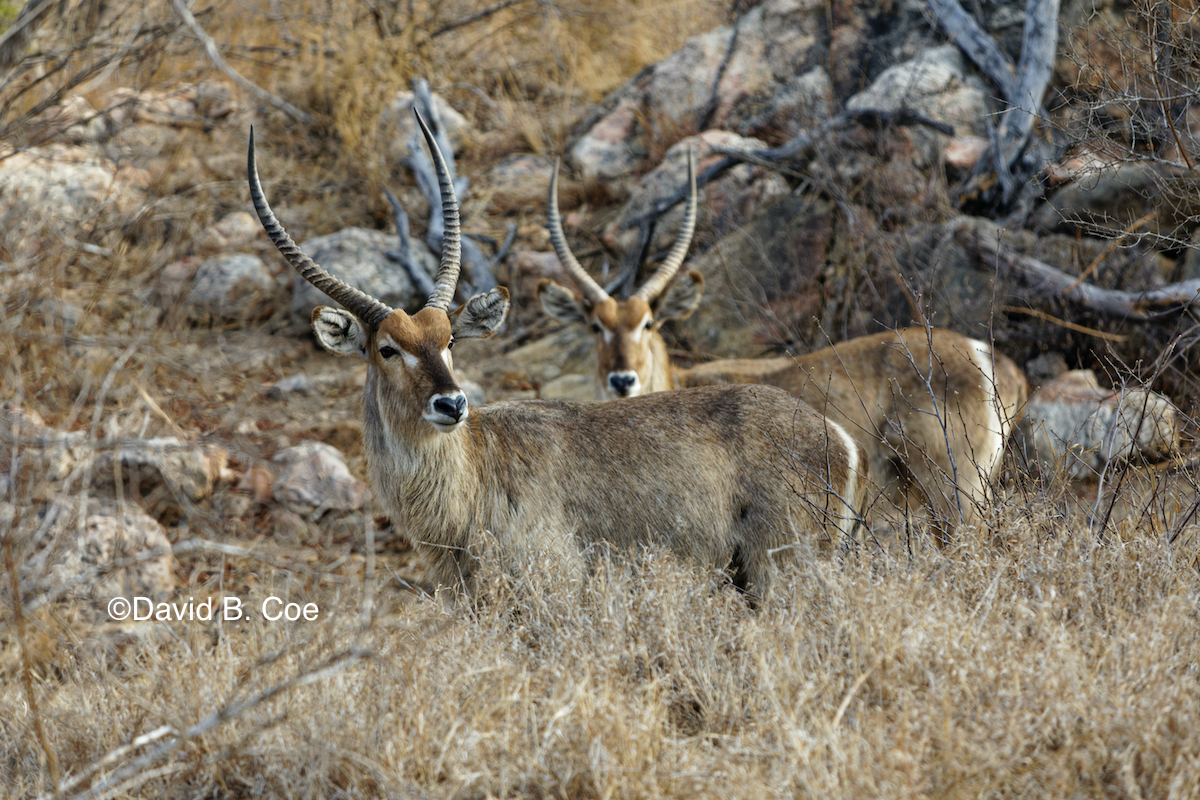
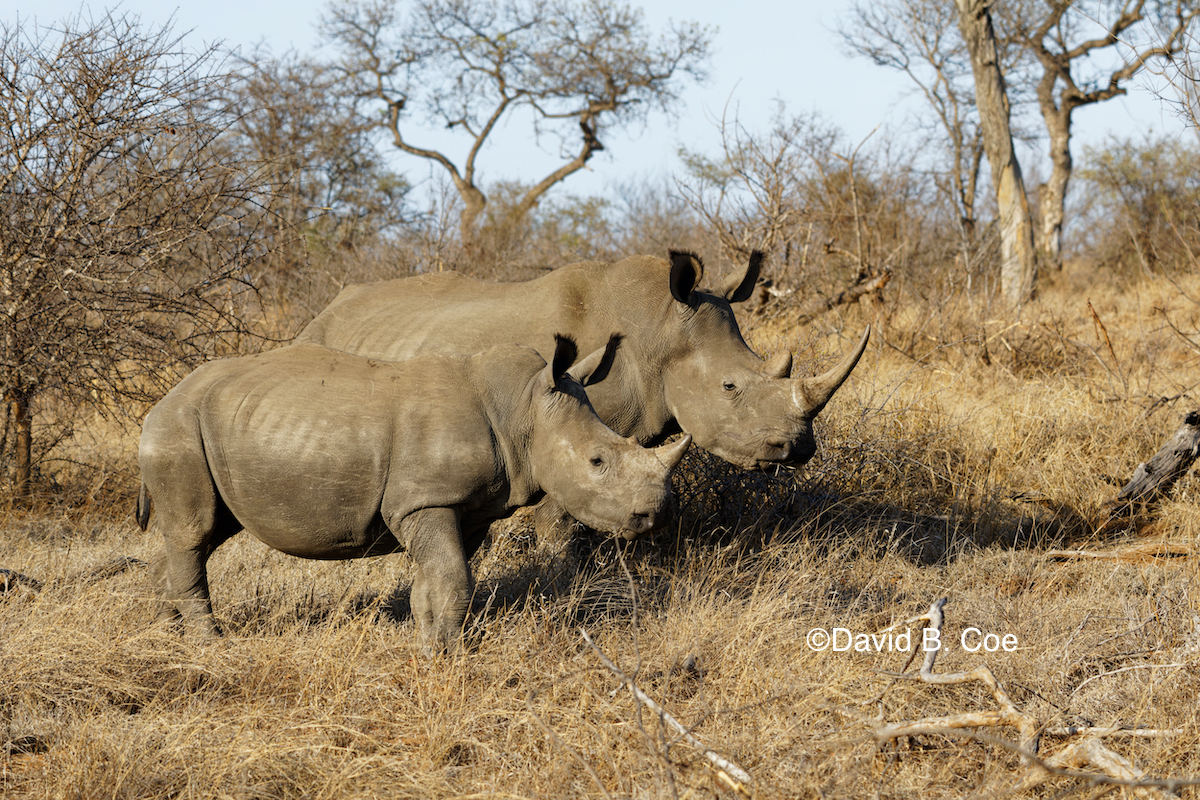
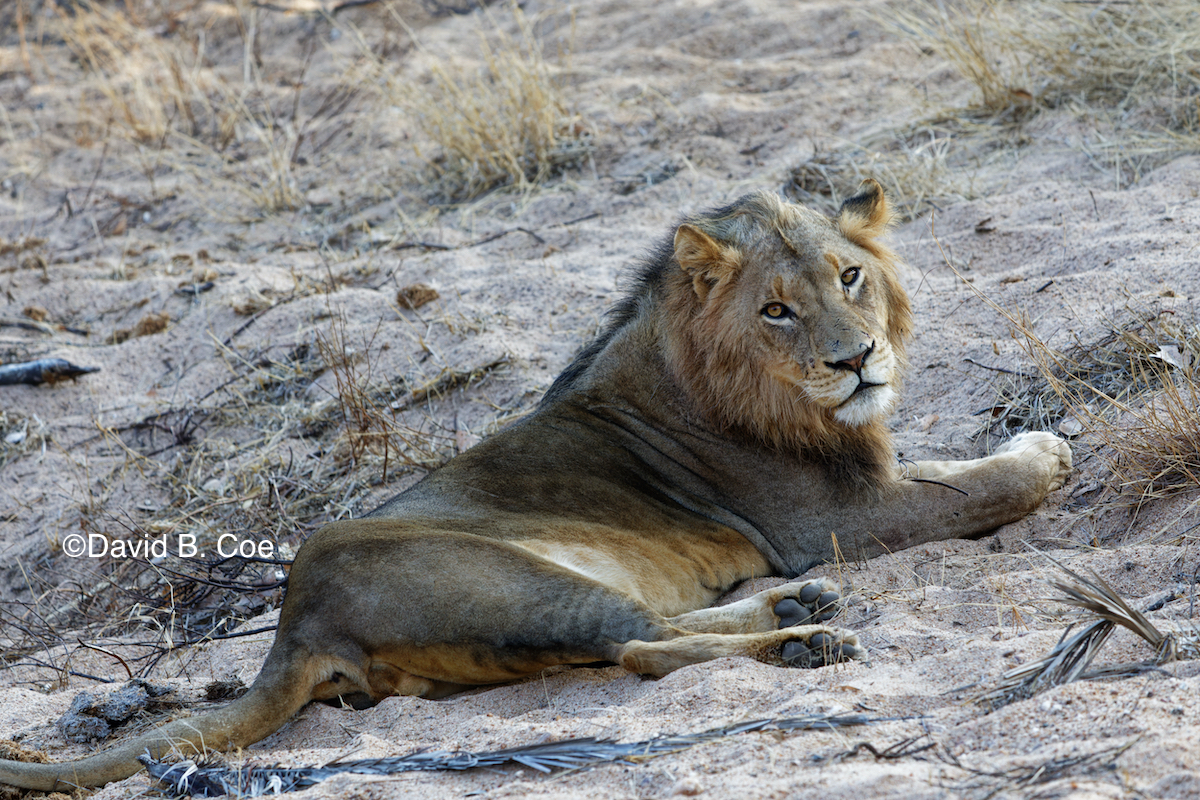
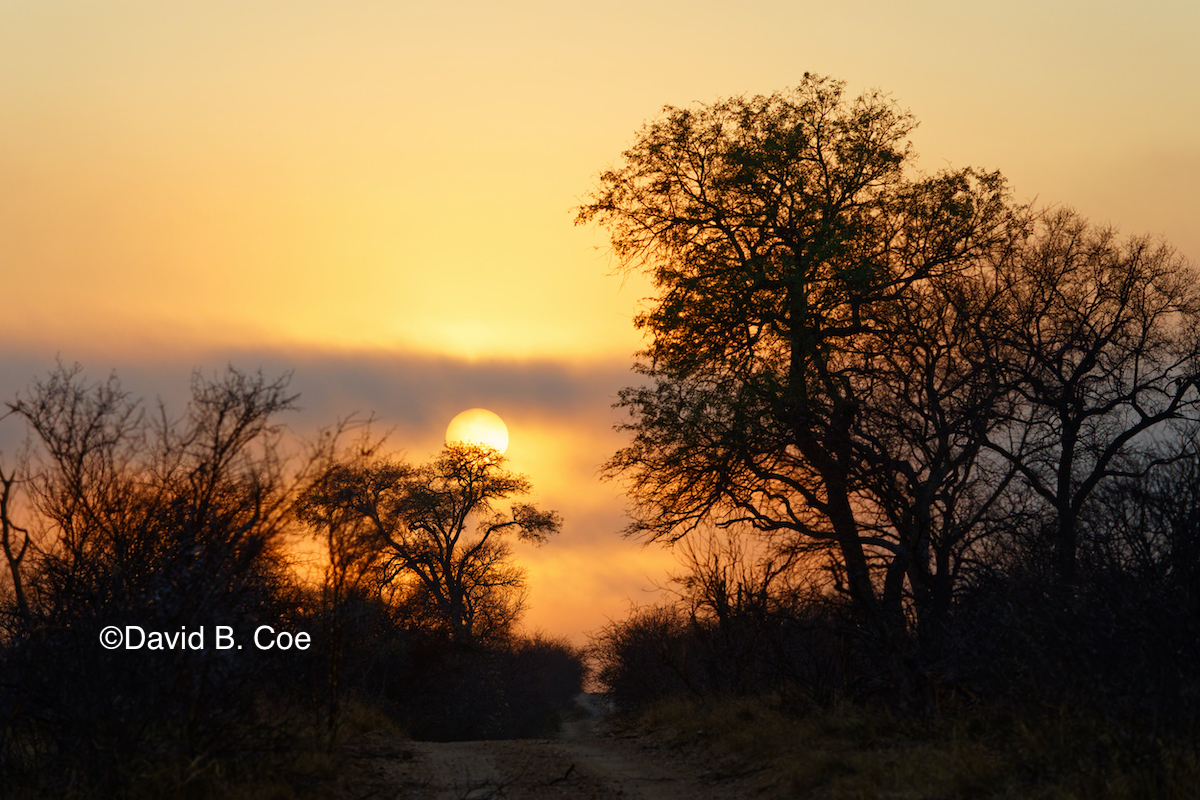
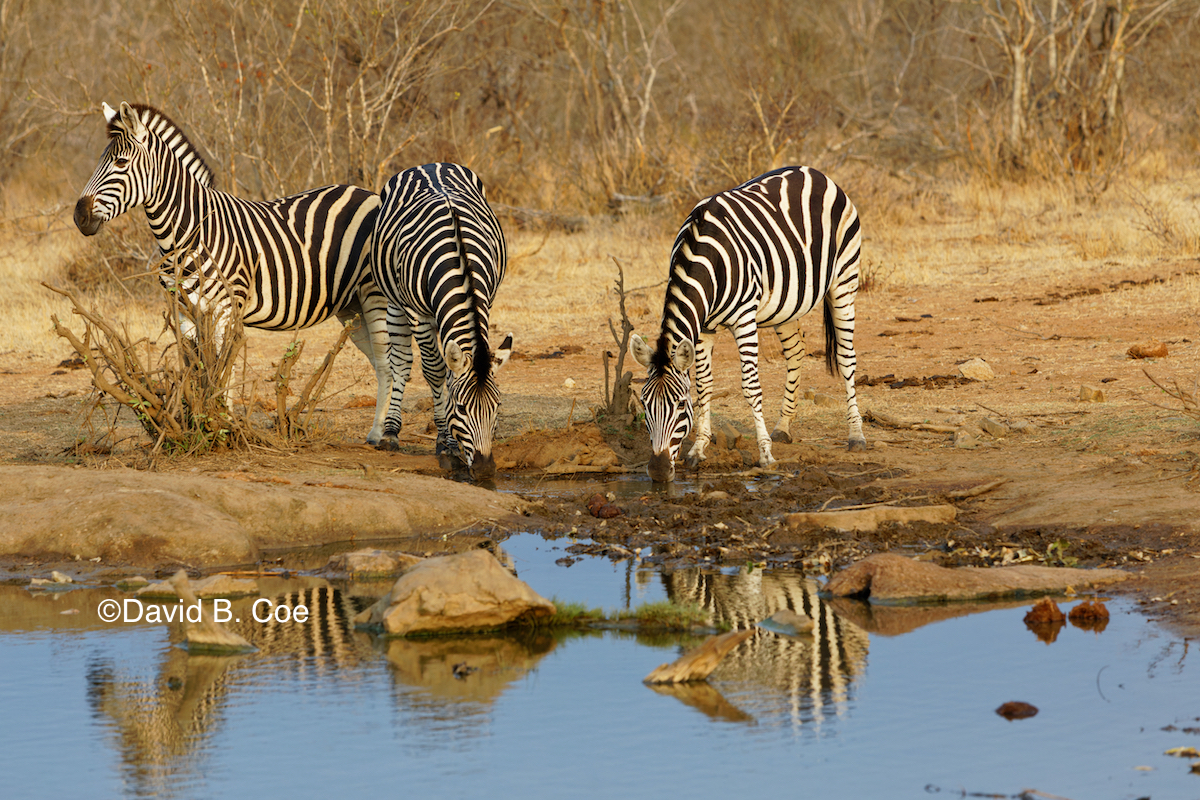
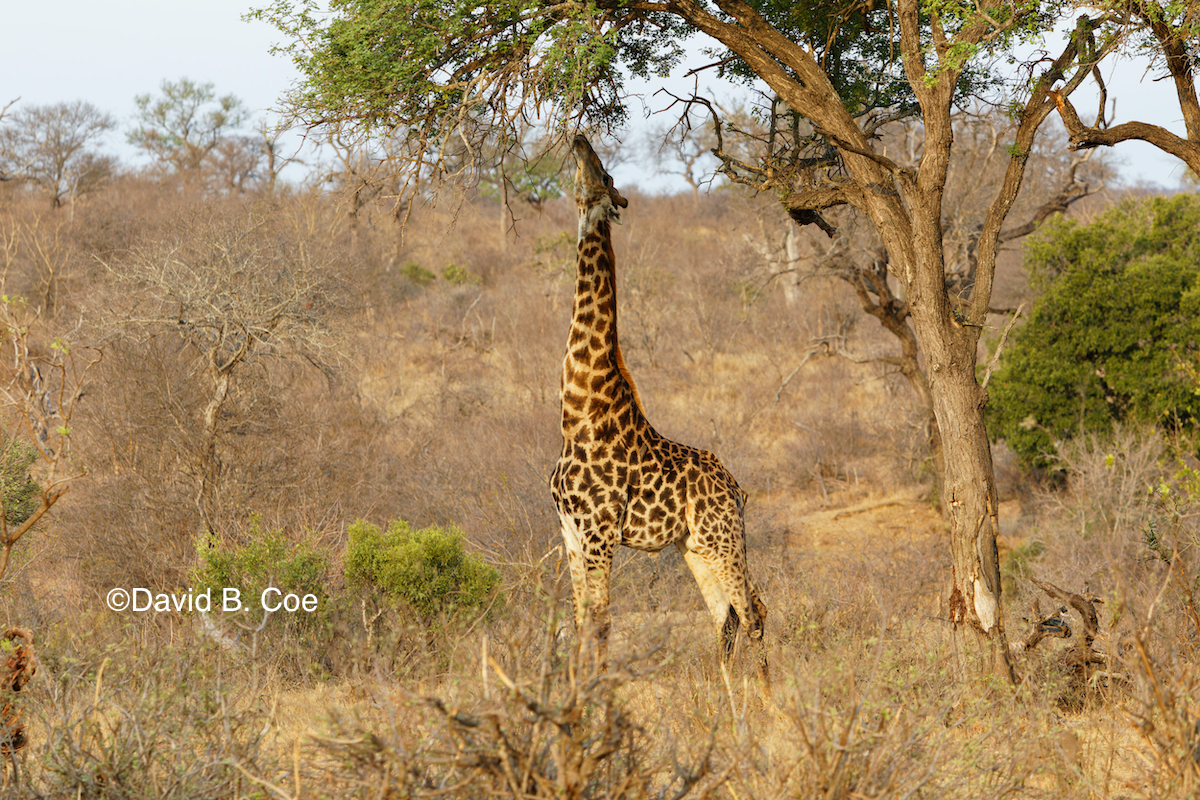
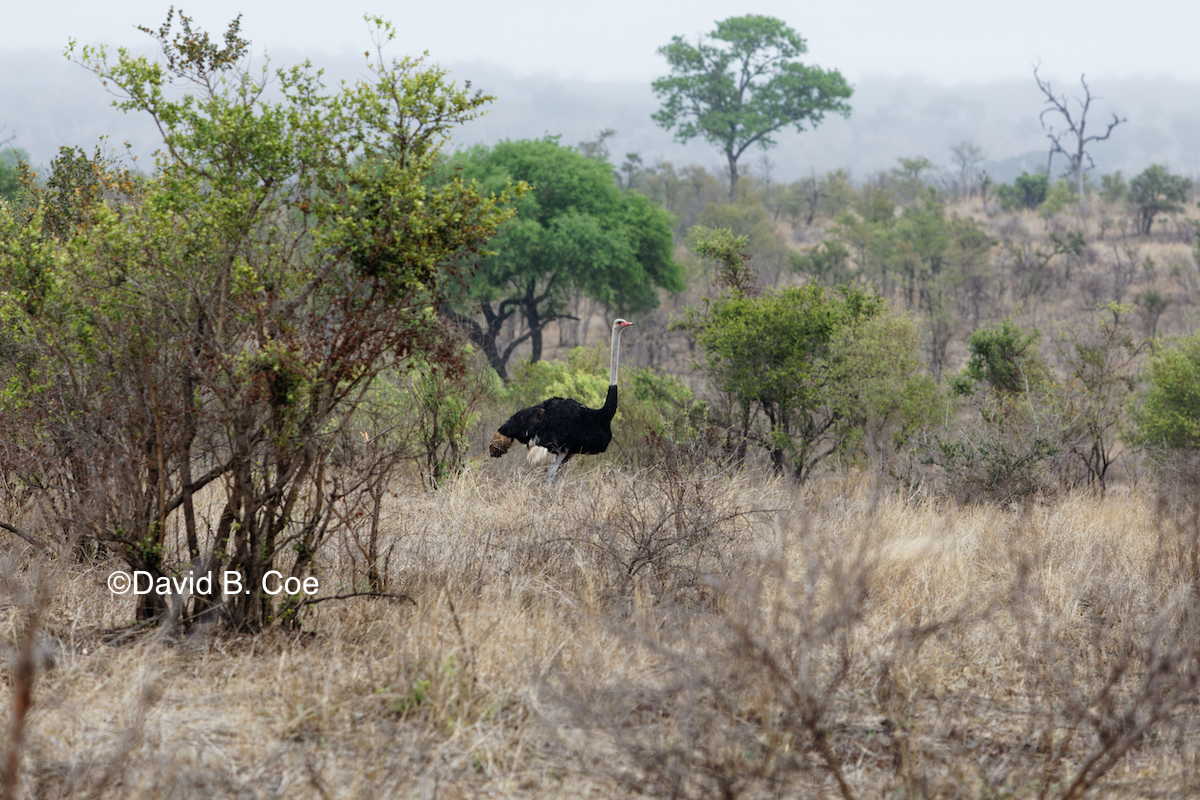
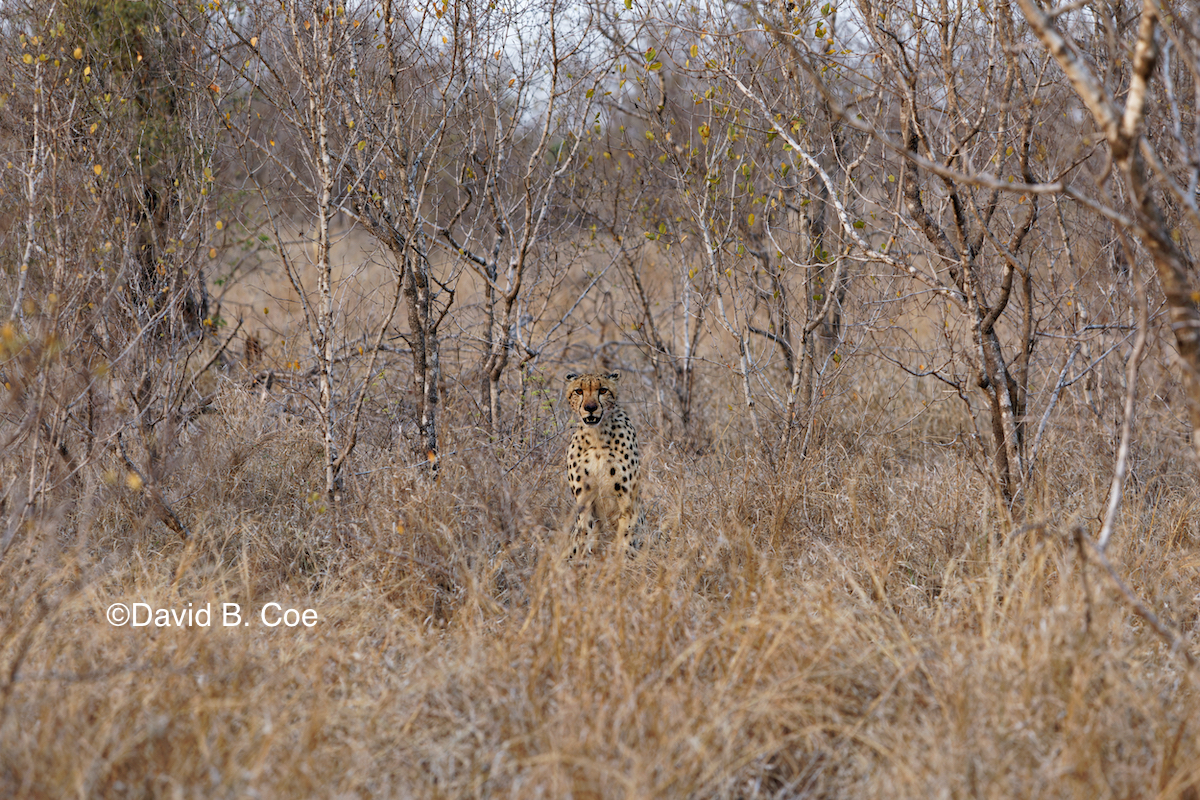
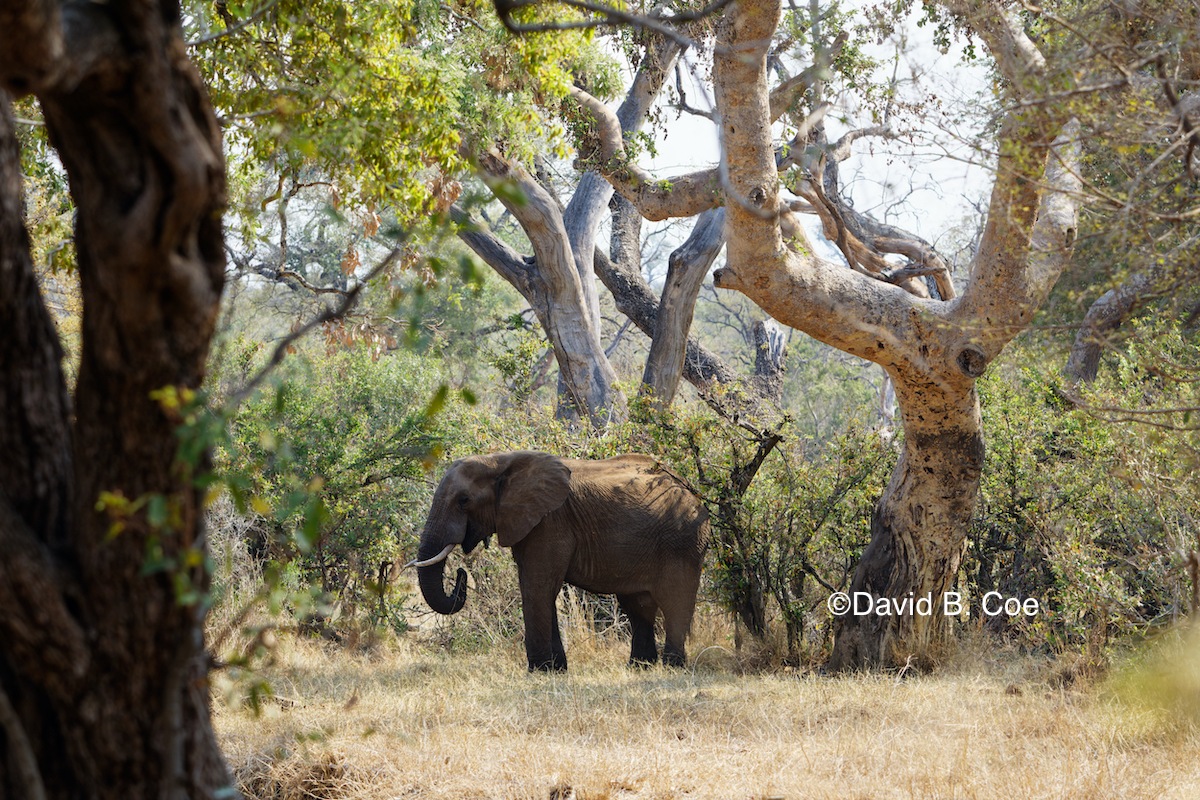
And boy did we see animals. Lions, leopards, a cheetah, a wild cat (about the size of a domestic cat, but a fearsome hunter), hyenas, wild dogs, elephants, giraffes, zebras, water buffalo, wildebeests, kudus, springboks, hippos, crocodiles, white rhinoceroses, ostriches, over one hundred and sixty species of bird, almost all of which I had never seen before, vervets, baboons, and more. And we reveled in the remarkable beauty of the South African landscape. All the animals were wild. During the rainy months, when there is too much mud to navigate, the trucks are not used and tours take place on foot. Had we been walking, our driver told us, we wouldn’t have gotten within 50 yards of the big cats. As it was, we kept our distance from solitary bull elephants and rhinos, which were starting to come into rut. But the “magic” of the truck allowed us to get close.
With all of that in mind, enjoy these photos.

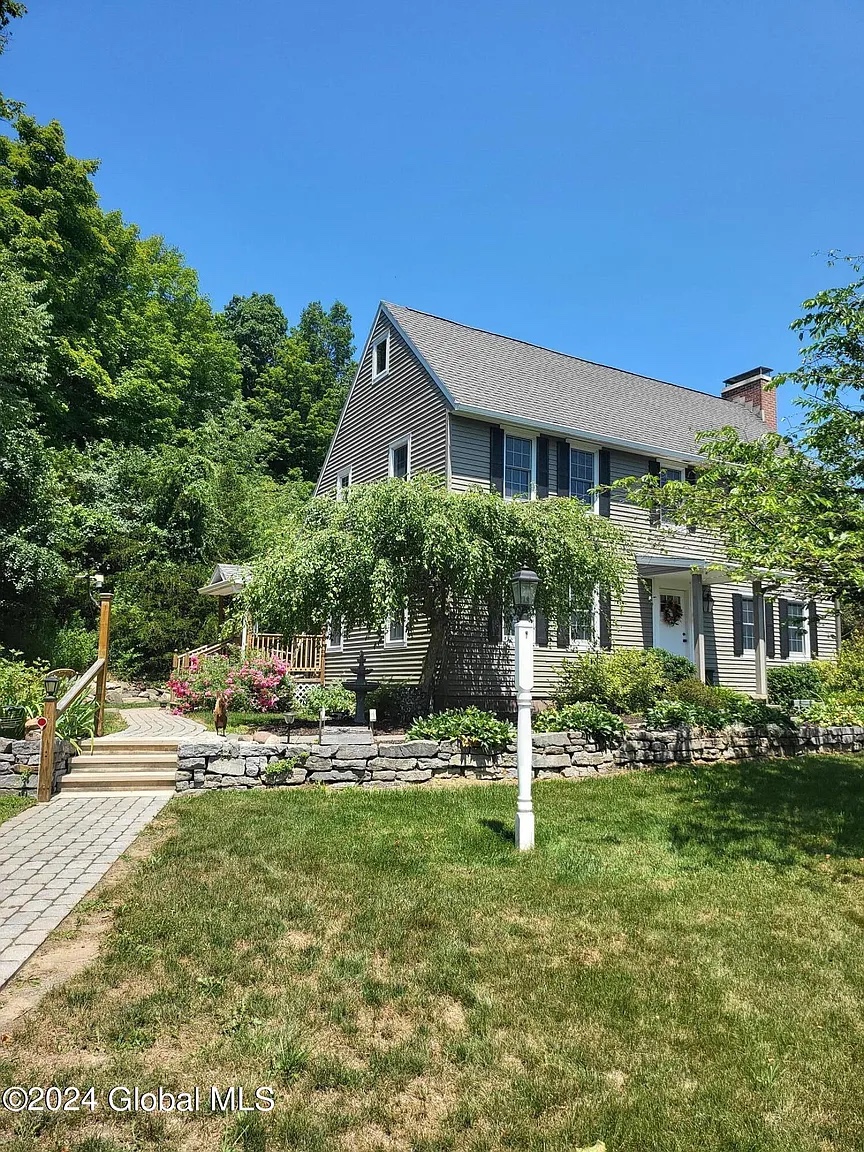 This [see the photo above] will soon be our new home. It is in New York’s Hudson Valley, near Albany, on six-plus acres of beautiful land, complete with gardens, fruit trees, and a small pond. More important, it is maybe twenty minutes from my brother and sister-in-law, is equally close to one of my dearest friends and his partner, and is within easy drives of many other friends and family.
 More to the point, though, back in the day, I used to perform regularly. Along with my dear, dear friends Alan Goldberg and Amy Halliday, I was in a band called Free Samples. Three voices, two guitars. Acoustic rock — CSN, Beatles, Paul Simon/Simon and Garfunkel, James Taylor, Bonnie Raitt, Joni Mitchell, Pousette-Dart, etc. We performed several times a semester, usually at the campus coffee house, but also at special events during which we shared the evening with other acoustic bands.
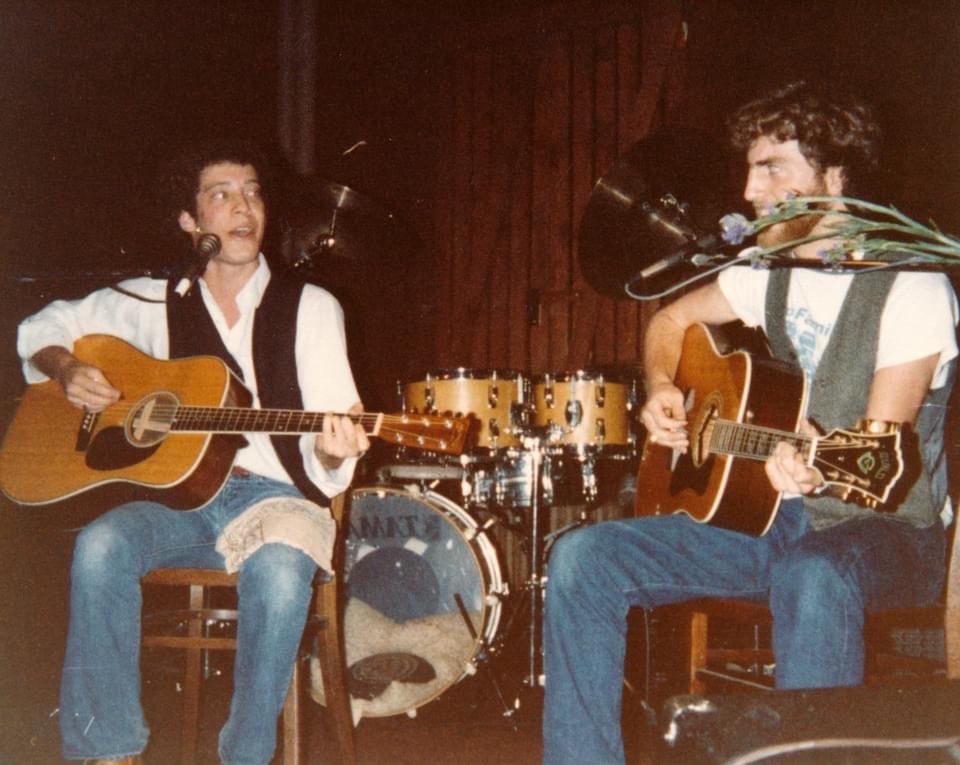 As I made clear earlier, I am not the player or singer I used to be, mostly because I don’t work at it as I once did. And so I’m afraid I’ll sound bad. Alan and Dan have played together a lot over the past several years, including live performances and online concerts they gave during the pandemic. They sound great as a twosome and I don’t want to ruin that. They have terrific on-stage rapport, just as Alan and I did back when we were young. I don’t want to get in the way of that, either. And I have overwhelmingly positive memories of my performing days. I don’t want to sully those recollections with a performance now that is subpar. I don’t want to embarrass myself.
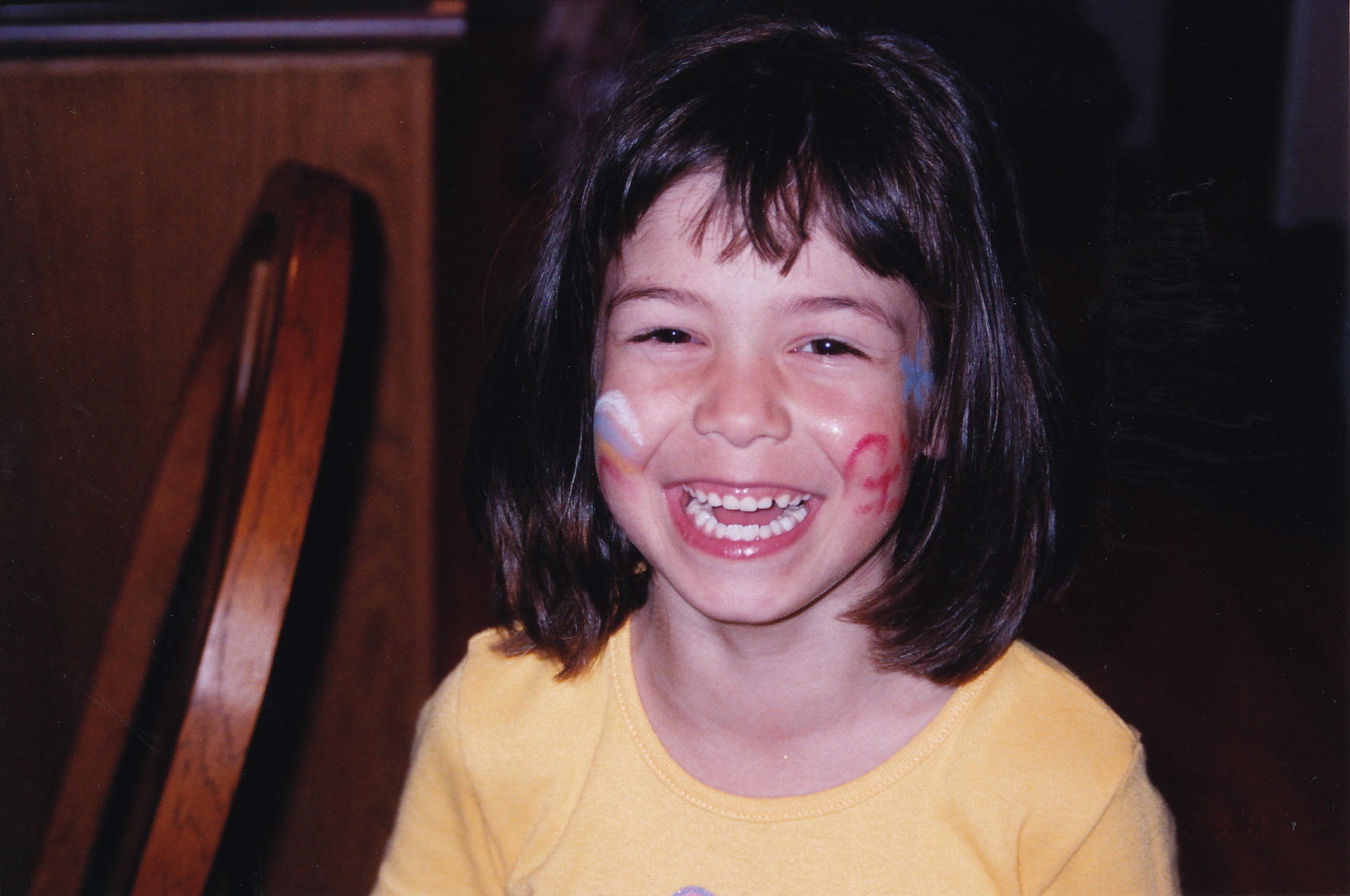 Our girls LOVED Sewanee Fourth of July when they were young. We would give them a bit of cash, help them meet up with friends, and then pretty much say goodbye to them for the day. It’s a small, safe, friendly town, and we never worried about them. They always found us eventually, sunburned and sweaty, their faces covered in face-paint, their pockets stuffed with candy that was thrown to kids by the parade participants. We’d go home, have a nap and some dinner, not that any of us was very hungry, and then, after covering ourselves with bug spray, would make our way to the fireworks venue.